
Smart Home
Lumens vs Watts: How Bright Should a Room Be?
A practical guide to choosing LED bulb brightness by lumens, room use, task lighting, dimmers, and energy cost instead of old wattage habits.
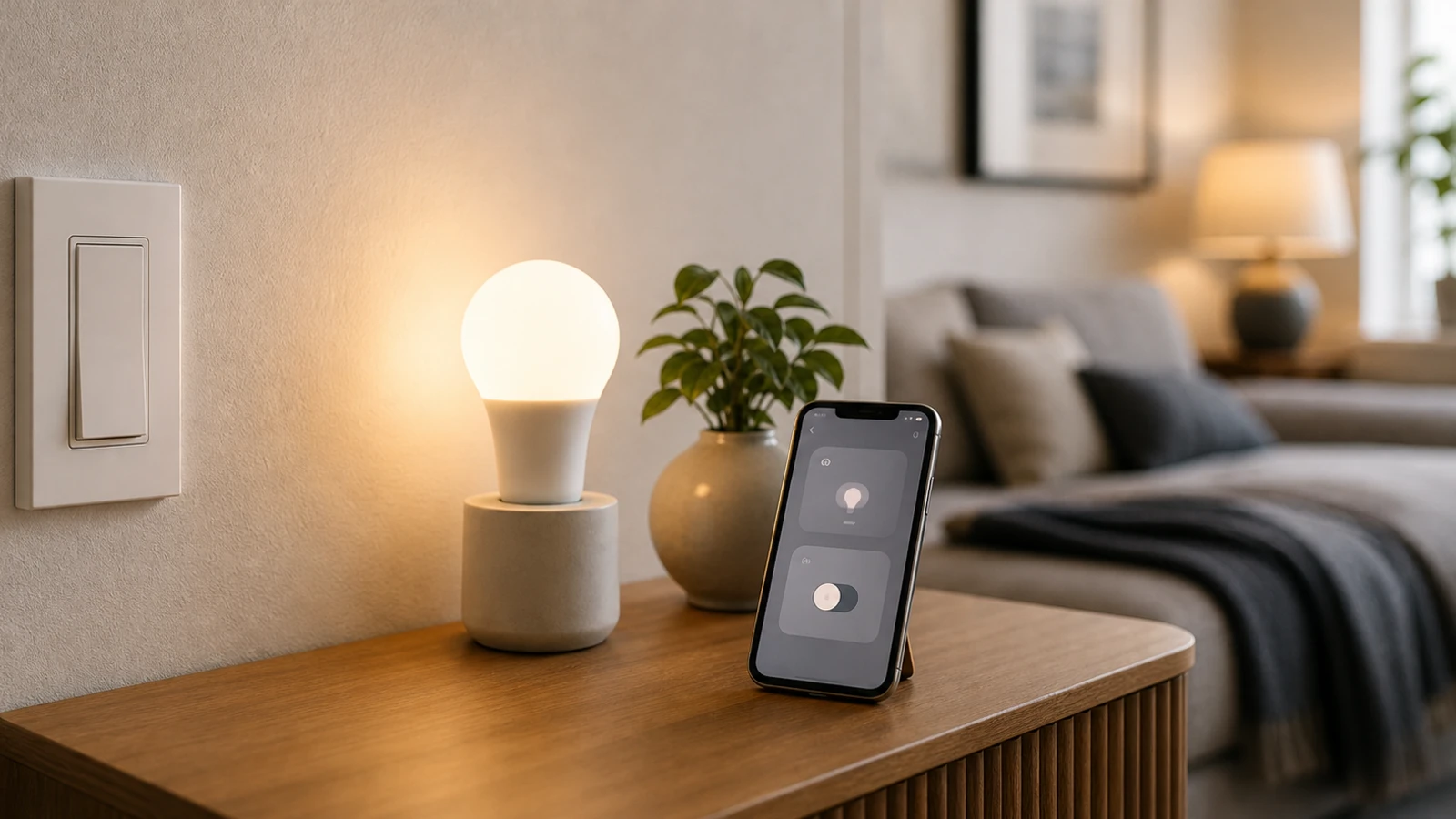
Buying light bulbs by watts used to be simple because most household bulbs were incandescent. That shortcut breaks down with LEDs. Watts tell you how much electricity a bulb uses. Lumens tell you how much light it produces.
If a room feels dim, the useful question is not “how many watts?” It is “how many lumens, in what fixture, for what task?”
Lumens vs watts
Lumens measure visible light output. More lumens means a brighter bulb. Watts measure energy use. A low-watt LED can produce the same brightness that used to require a much higher-watt incandescent bulb.
The FTC and DOE both frame the modern shopping rule the same way: compare brightness in lumens, then use watts and estimated yearly energy cost to compare efficiency.
The quick replacement chart
Use this as a starting point when replacing an old incandescent bulb:
| Old incandescent habit | Look for about |
|---|---|
| 40 W bulb | 450 lumens |
| 60 W bulb | 800 lumens |
| 75 W bulb | 1100 lumens |
| 100 W bulb | 1600 lumens |
| 150 W bulb | 2600 lumens |
This is not a room-design rule. It is a replacement rule. A lamp with a dark shade, a high ceiling, or a wide room may need more total light than a bare bulb in a small fixture.
Think in layers, not one big bulb
Most rooms work better with several light sources:
- Ambient light: the general light that lets you move around.
- Task light: desk lamps, under-cabinet lights, vanity lights, and reading lamps.
- Accent light: lower-output lights for shelves, art, or a softer evening setting.
If a living room feels harsh, do not automatically buy one brighter ceiling bulb. Add a floor lamp, a table lamp, or a dimmable layer so the room can change between cleaning, reading, and relaxing.
Match brightness to the job
The same bulb can feel perfect in one place and wrong in another.
| Area | Practical lighting direction |
|---|---|
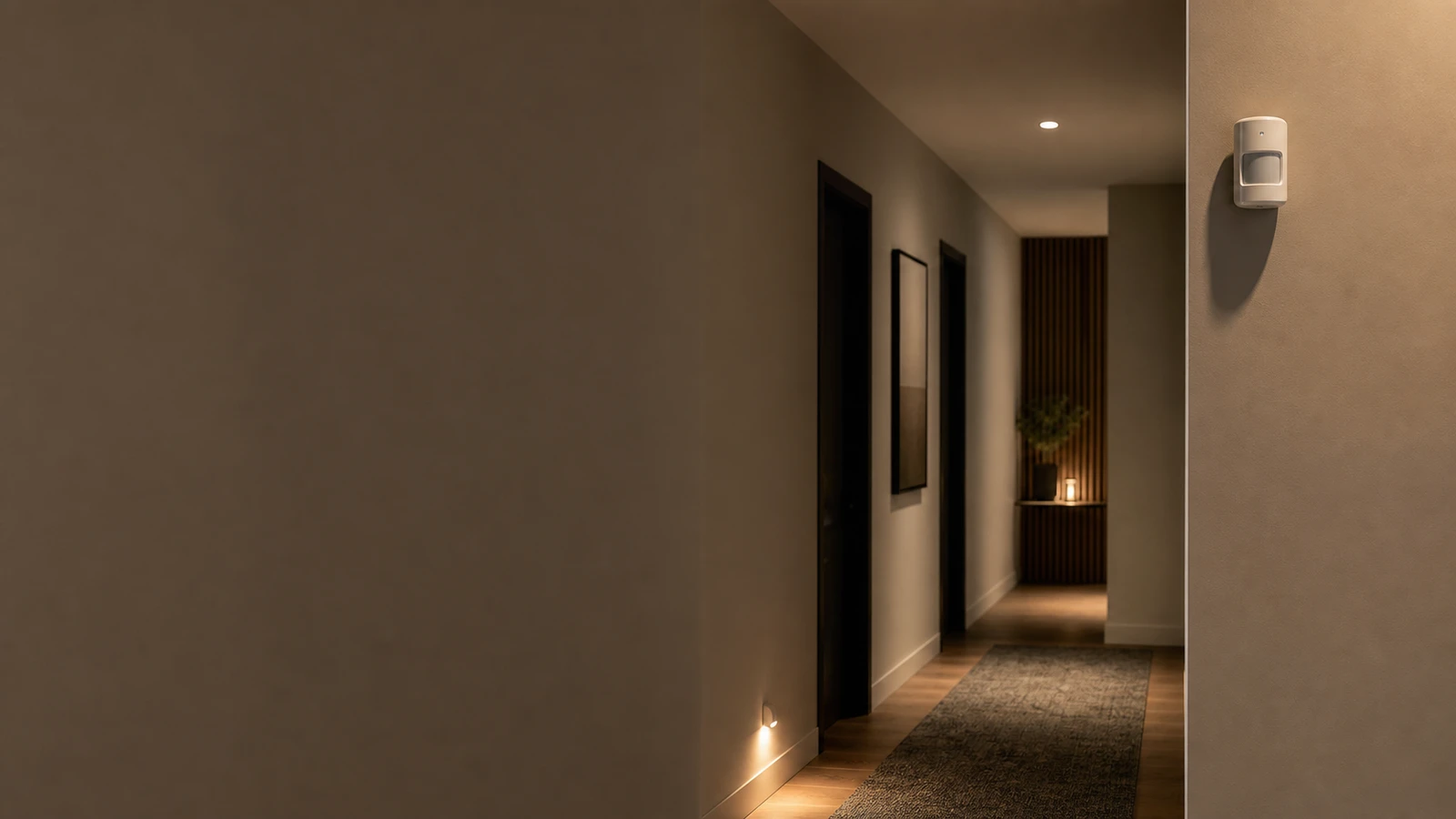
| Hallway | Enough light to move safely without glare |
| Living room | Multiple moderate lamps usually beat one bright ceiling light |
| Kitchen counter | Task lighting matters more than ceiling brightness |
| Desk | Put light on the work surface, not in your eyes |
| Bathroom mirror | Even front lighting is usually better than one overhead spot |
For desk work and detailed tasks, placement often matters as much as lumen count. A bright bulb behind you can create shadows. A smaller lamp aimed at the work surface can feel more useful.
Read the Lighting Facts label
On the package, check:
- Brightness in lumens.
- Estimated yearly energy cost.
- Life estimate.
- Light appearance on the Kelvin scale.
- Watts used.
- Whether the bulb is marked dimmable if you plan to dim it.
The label keeps you from comparing one bulb’s marketing name against another bulb’s technical specs.
Watch fixture limits
Fixture wattage limits still matter because they are about electrical load and heat. Do not exceed a fixture’s marked maximum wattage. LEDs usually use fewer watts for the same brightness, but enclosed fixtures, small globes, and old dimmers can still cause heat or compatibility problems.
If a fixture has no label, the CPSC’s older home electrical checklist advises staying conservative and avoiding excessive wattage because overheating can damage fixtures, wiring, or nearby combustible materials.
When to buy a brighter bulb
Go brighter when:
- The room is safe but visually tiring.
- A task area needs more light than the rest of the room.
- A lampshade or globe blocks a lot of output.
- The ceiling is high or the fixture throws light upward.
- You are replacing several old bulbs with fewer new ones.
Do not go brighter when glare is the real problem. In that case, change the fixture, shade, placement, or color temperature first.
Sources and further reading
- DOE: Lumens and the Lighting Facts Label
- ENERGY STAR: Learn About Brightness
- FTC: Shopping for Light Bulbs
- CPSC Home Electrical Safety Checklist
Frequently asked questions
- Are lumens or watts more important for LED bulbs?
- Lumens are more important for brightness. Watts are still useful for energy use and fixture limits, but they no longer tell you how bright an LED bulb will feel.
- How many lumens replace a 60 watt bulb?
- A common 60 W incandescent replacement is about 800 lumens. Use that as a starting point, then adjust for the fixture, shade, room size, and task.
- Can I put a brighter LED in an old fixture?
- Only if the LED's wattage stays within the fixture's rated limit and the bulb is suitable for that fixture type. Enclosed fixtures and old dimmers can create compatibility issues.
Last updated May 11, 2026. See our editorial policy for methodology and corrections.
The Signal Brief
One useful dispatch each week.
One sharp take, three things worth reading, and the week's buying signals.