

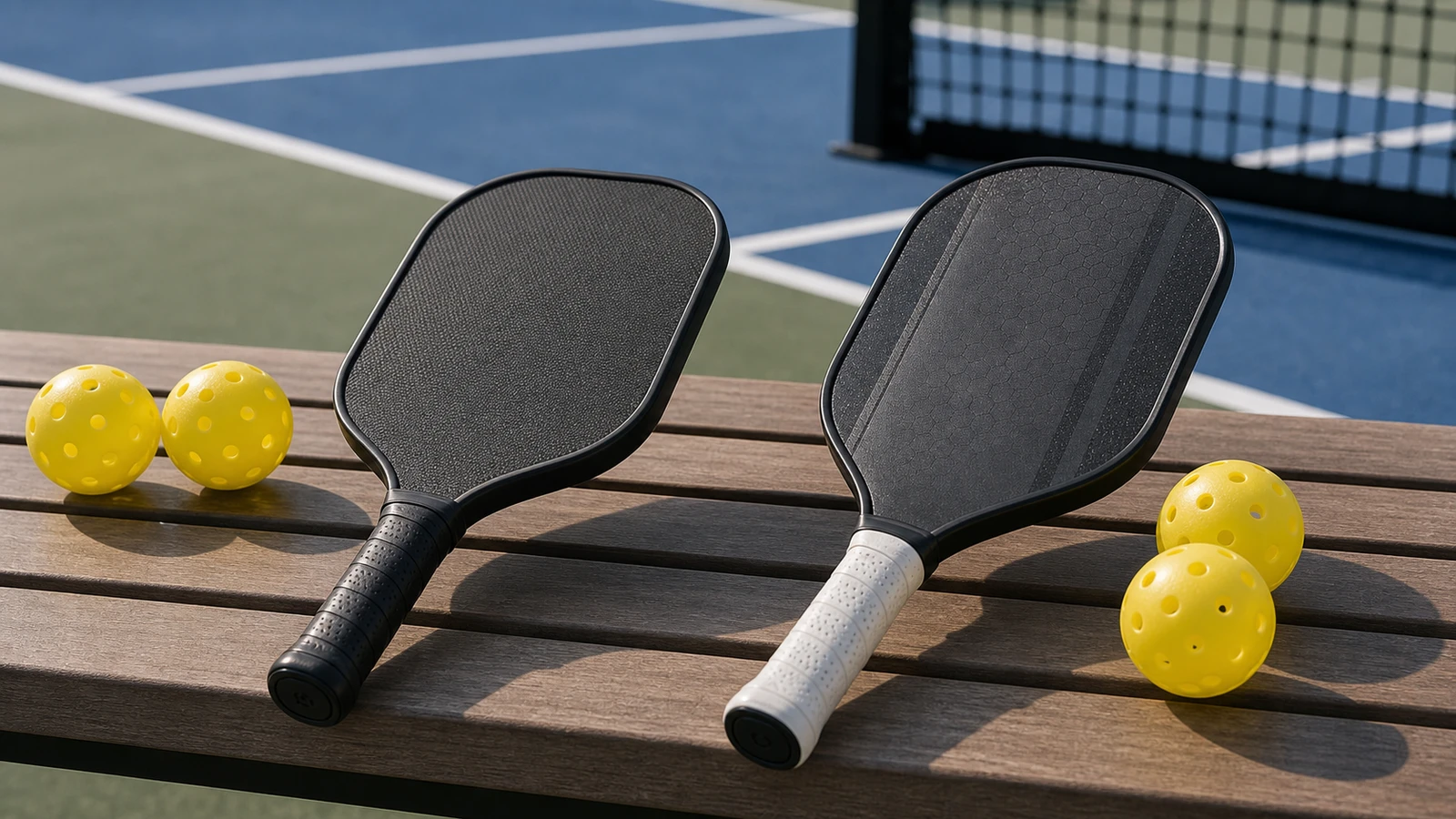
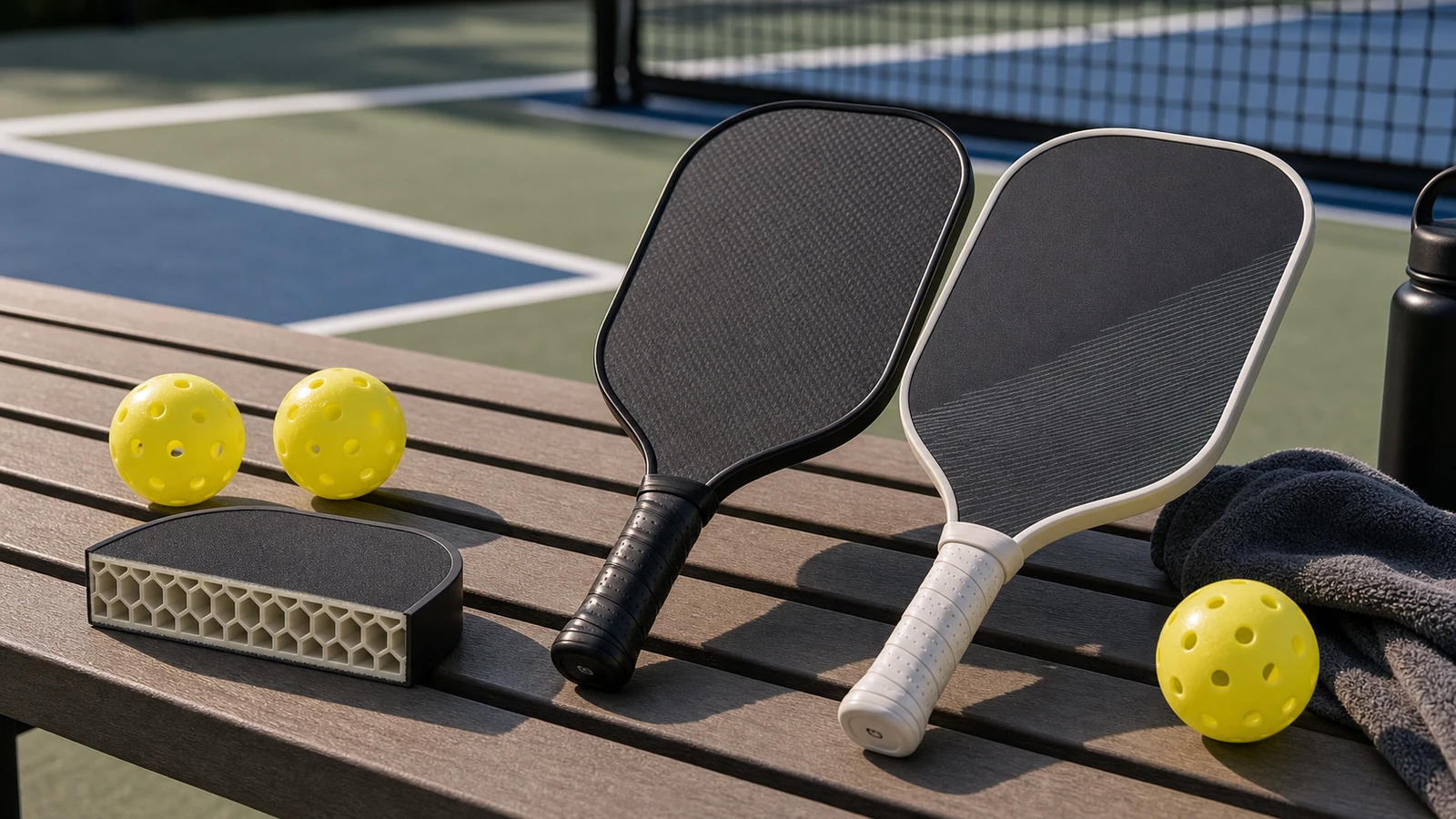
CRBN TruFoam Genesis vs JOOLA Gen 3: Head-to-Head (2026)
Two premium foam-core paddles compared. The CRBN is a foam paddle; the JOOLA is a polymer with foam edges. Here's which wins for which player.
Section
Gear reviews, rule explainers, and technique drills for players who want to improve and spend wisely.
Coverage
28
live guides
0
paid placements
Two premium foam-core paddles compared. The CRBN is a foam paddle; the JOOLA is a polymer with foam edges. Here's which wins for which player.
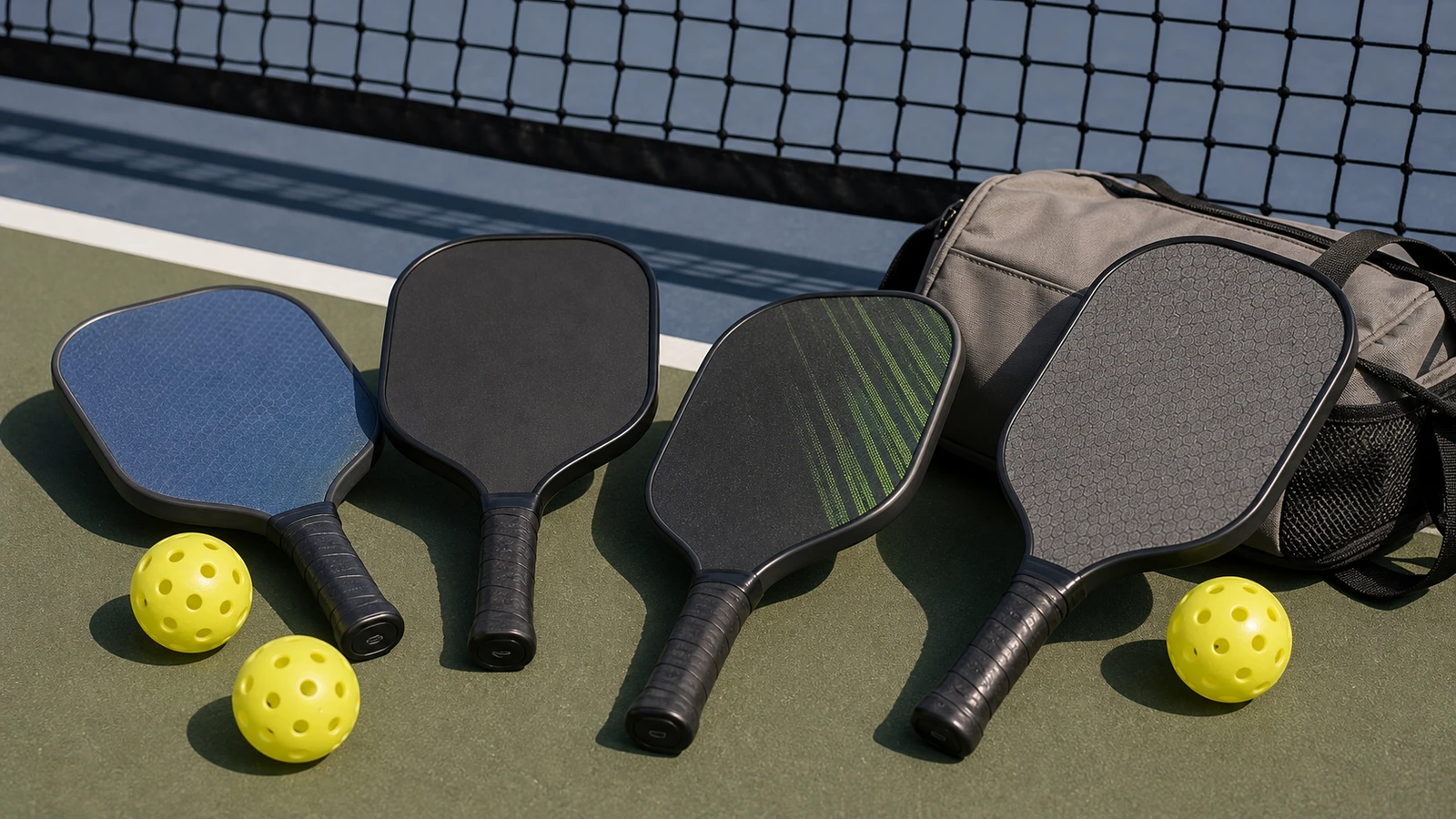
Five paddles under $50 that won't hold you back as a beginner. The sub-$50 tier has gotten surprisingly legitimate in 2026.
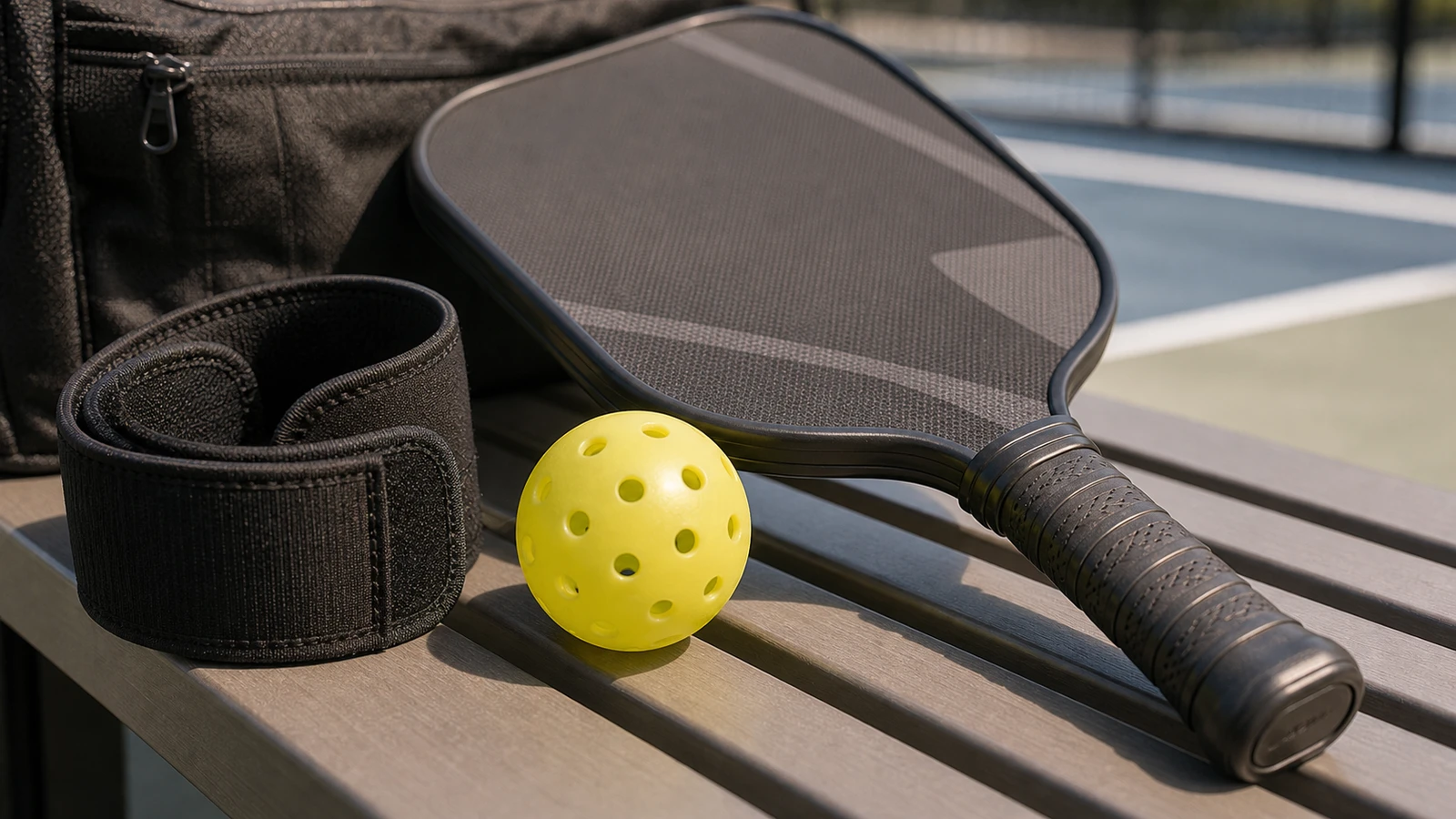
Five paddles engineered to reduce vibration transmission. For players with pickleball elbow or joint issues, paddle choice affects recovery.
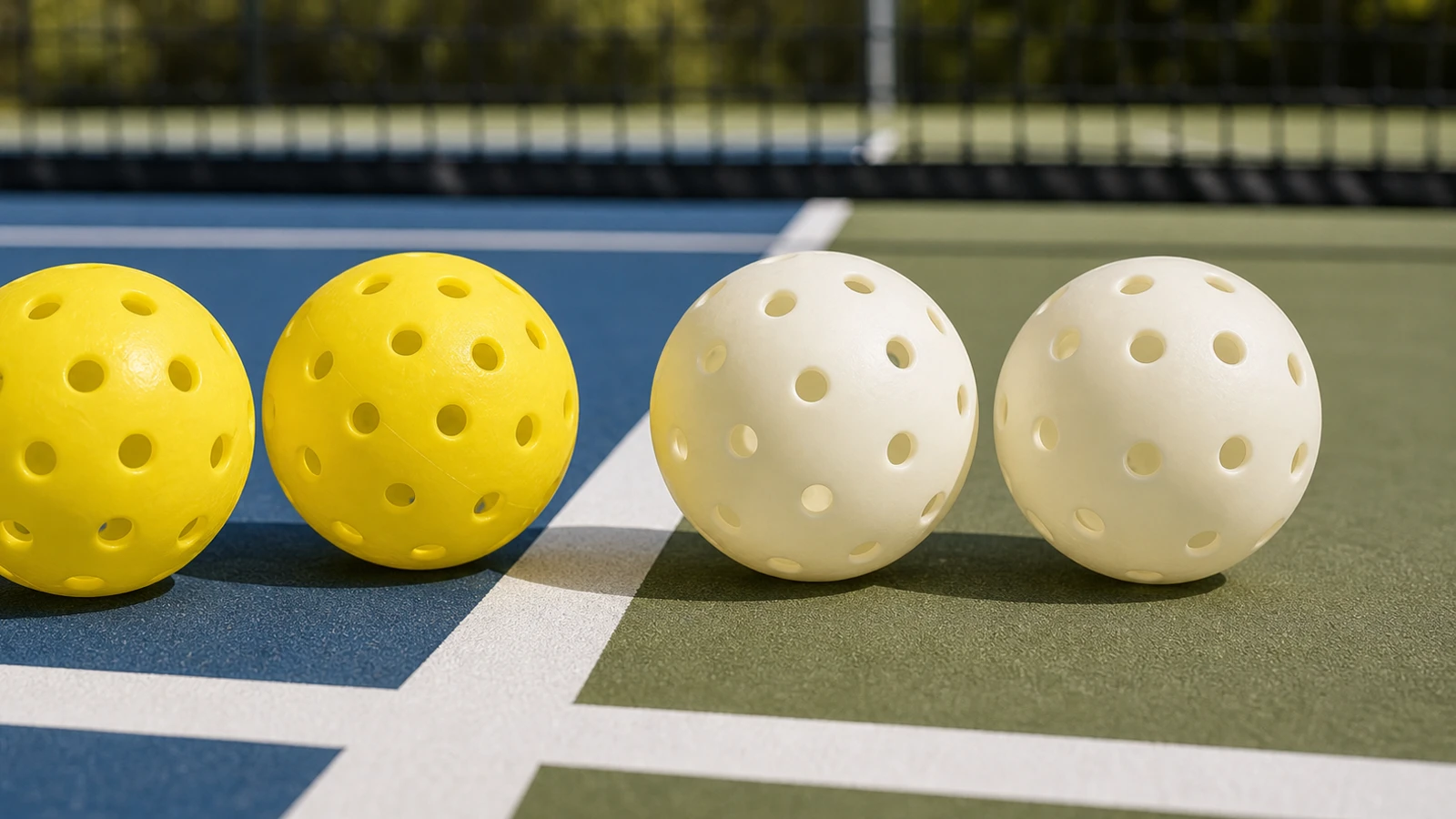
Both are USAPA-approved tournament balls. Franklin X-40 is softer and more common; Dura Fast 40 is harder and longer-lived. Here's the practical difference.
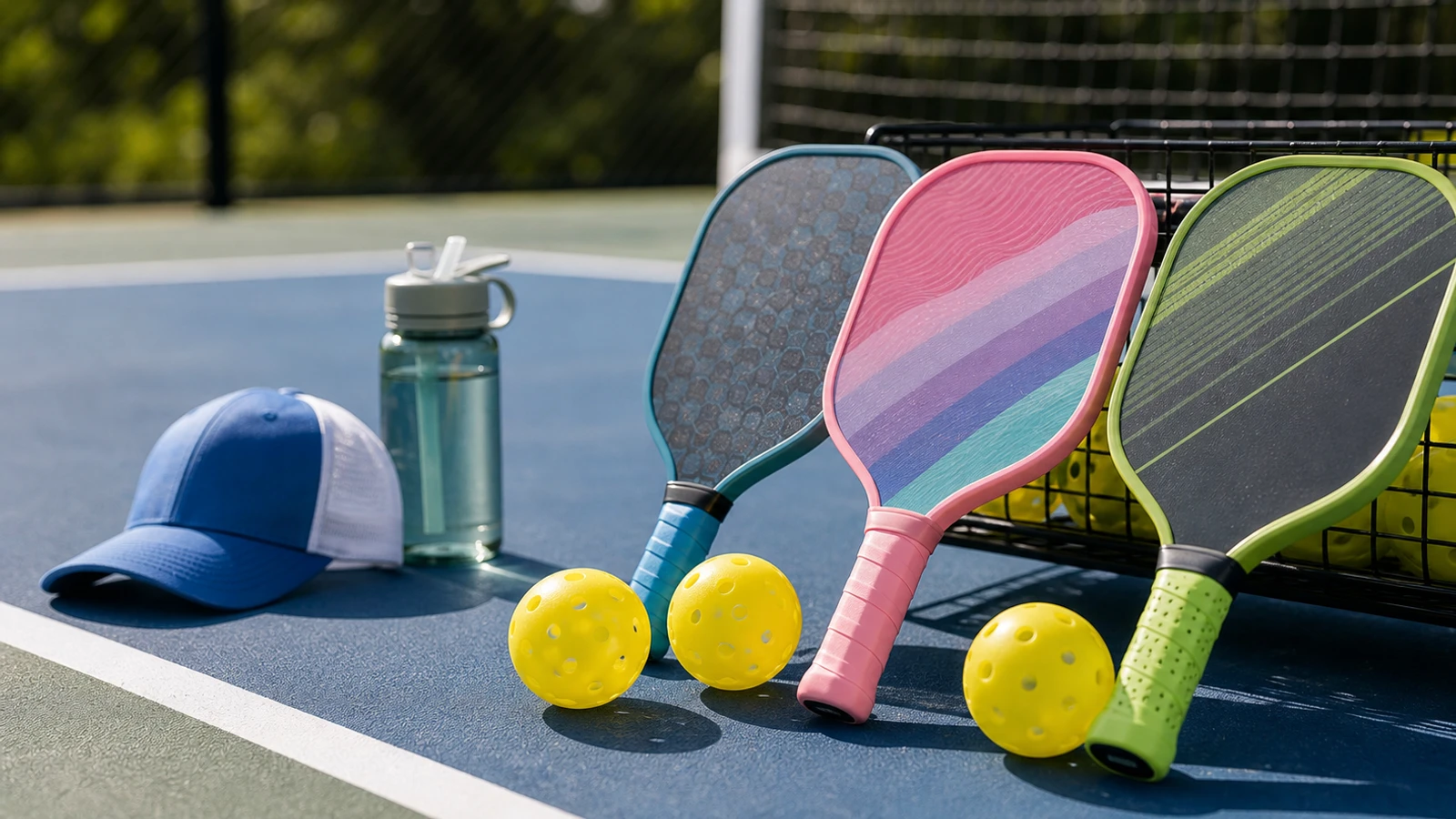
Six junior paddles sized correctly for kids ages 6–14. Weight, grip, and length matter more than color. Here's what actually works.
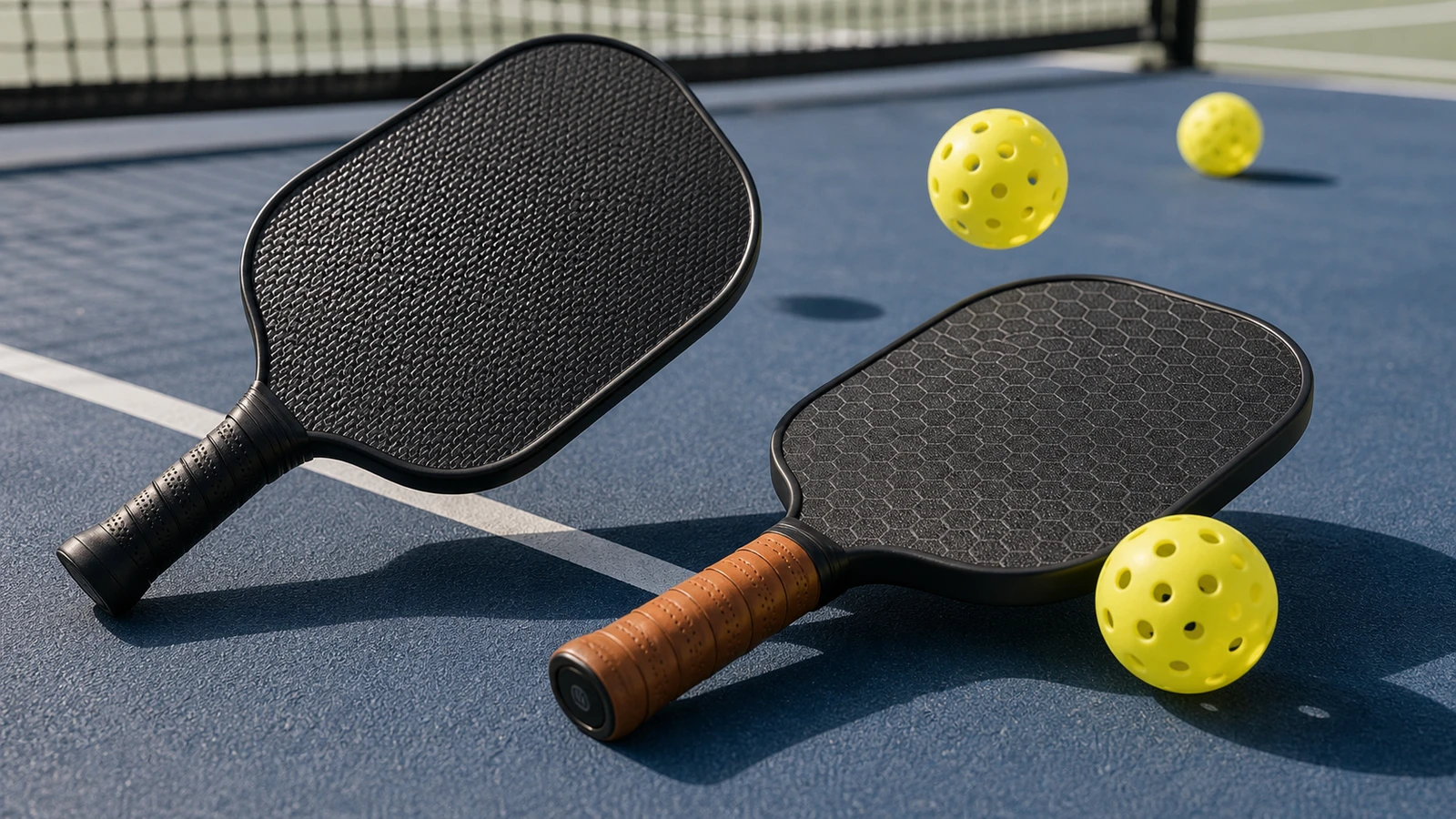
Six thermoformed carbon paddles built to generate serious topspin, slice, and sidespin. Face grit, core construction, and the physics that actually matter.
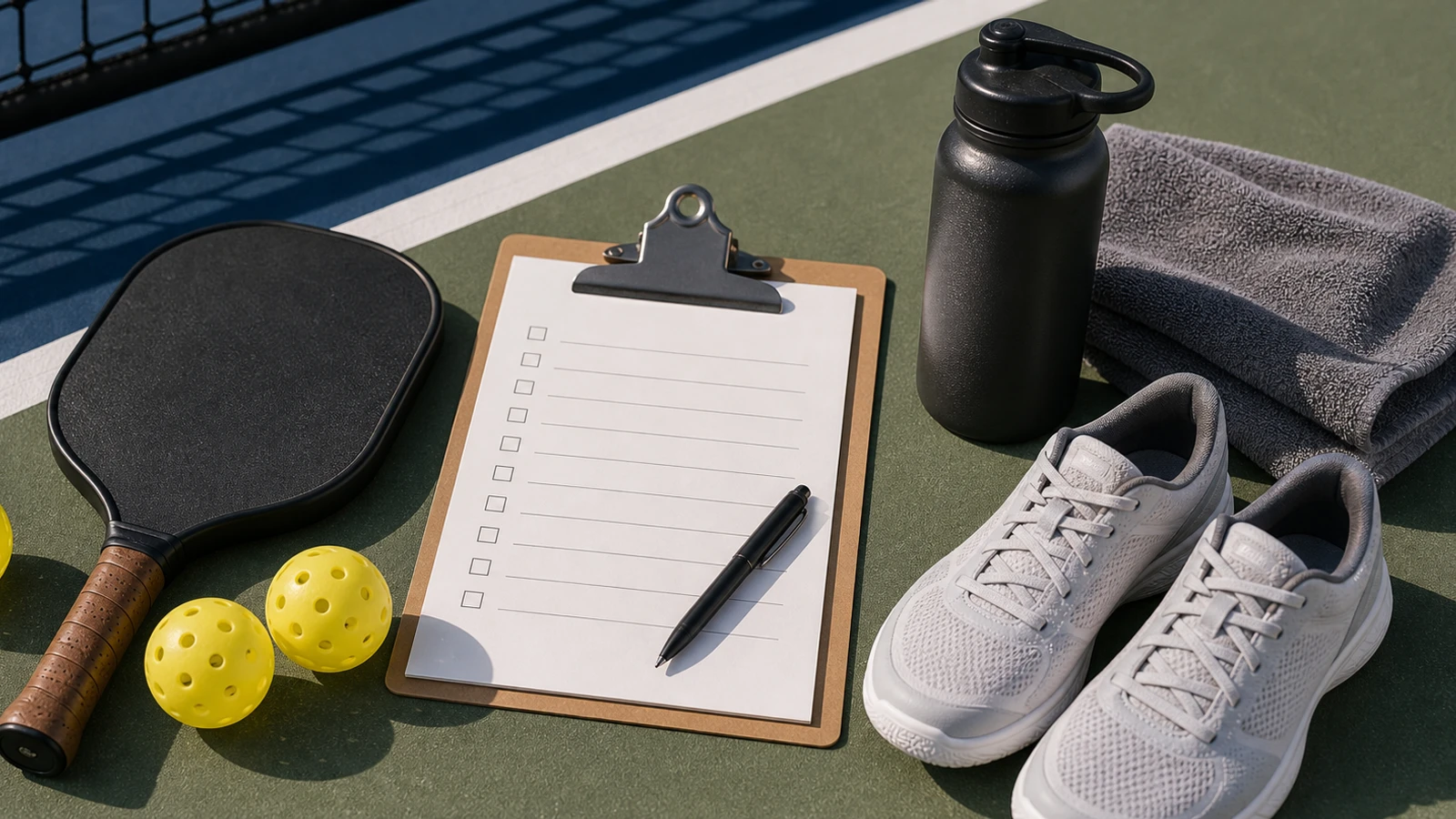
Everything you need before, during, and after your first sanctioned tournament. Registration, equipment, mindset, and the mistakes every first-timer makes.
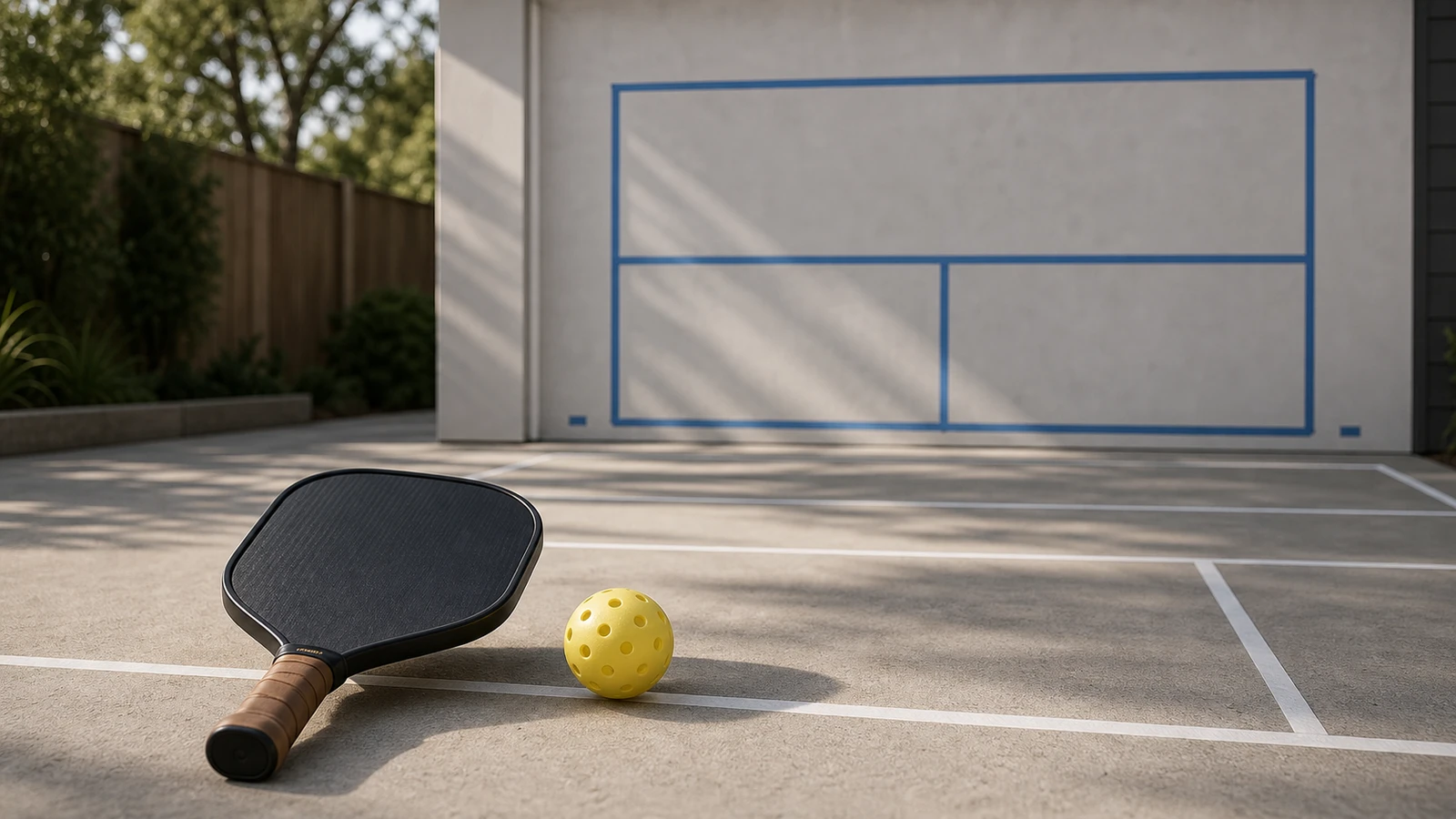
Four wall drills, 5 minutes each, done three times a week. Measurably improves dinks, volleys, resets, and groundstrokes in 4–6 weeks.
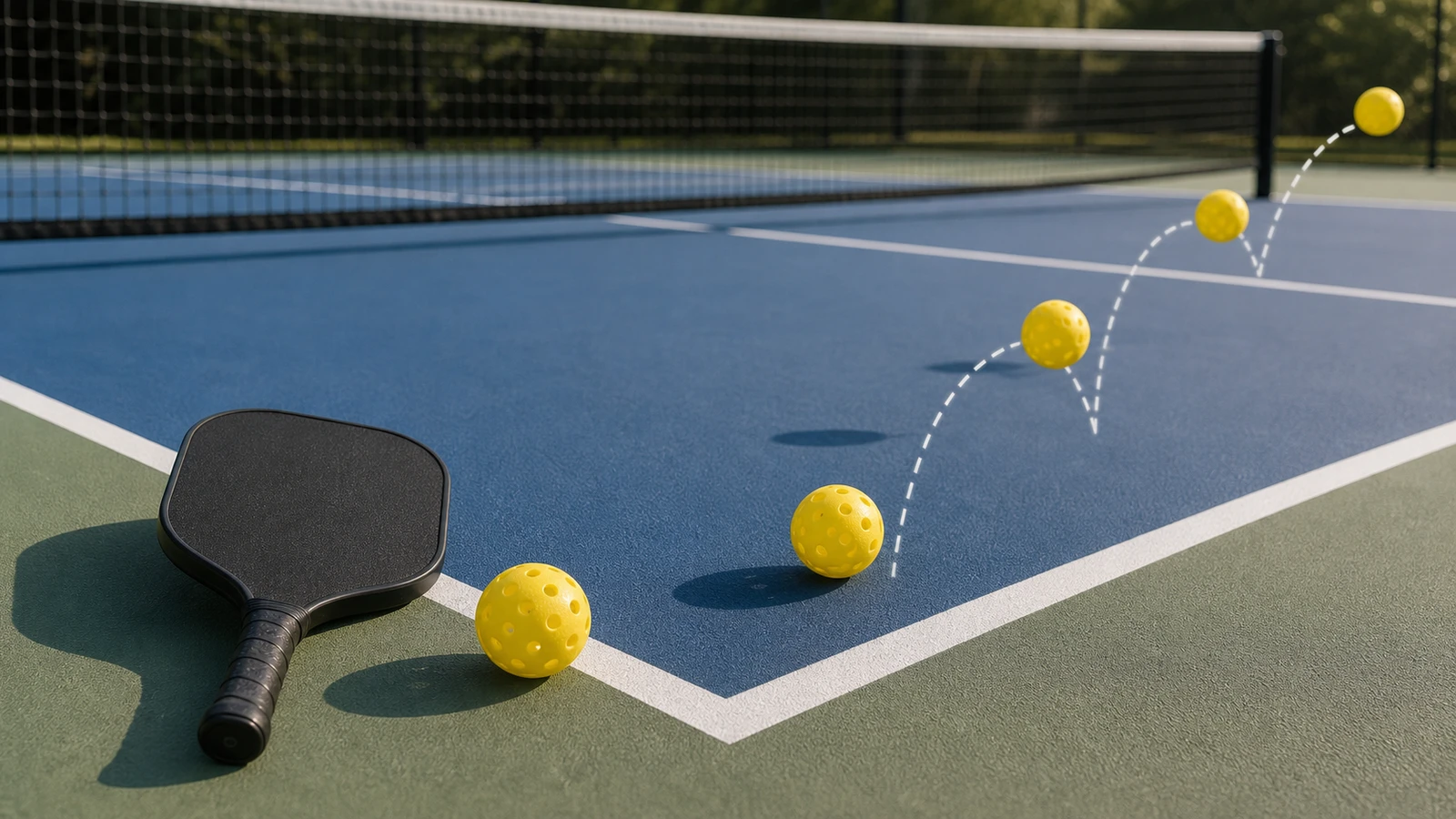
The right third-shot drop travels 19–23 mph depending on direction. Hit it too slow and opponents attack; too fast and it pops up. Here's the technical guide.
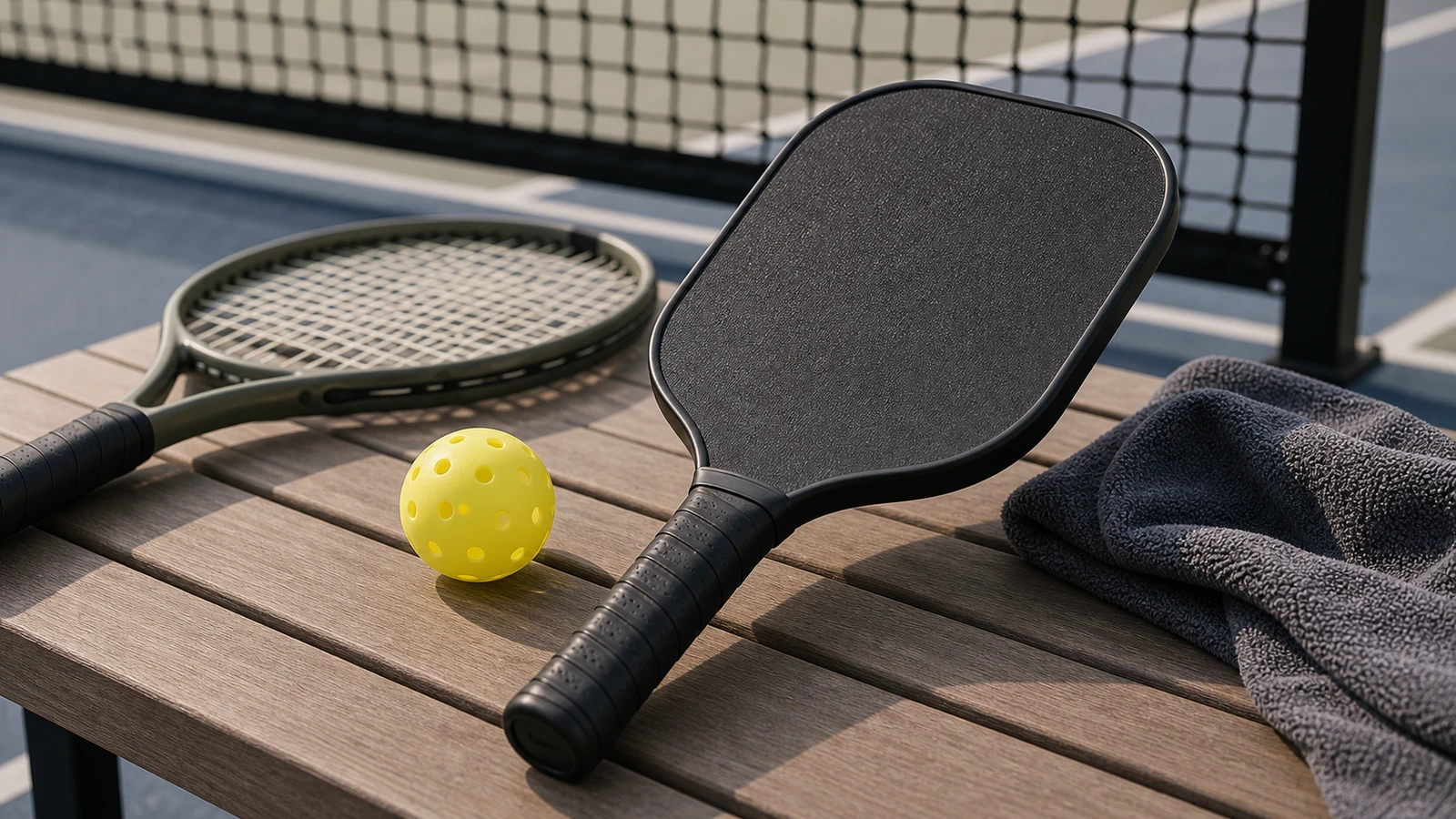
Five paddles built specifically for the two-hander — long handles, stable cores, and the grip geometry that makes tennis-style backhands work in pickleball.
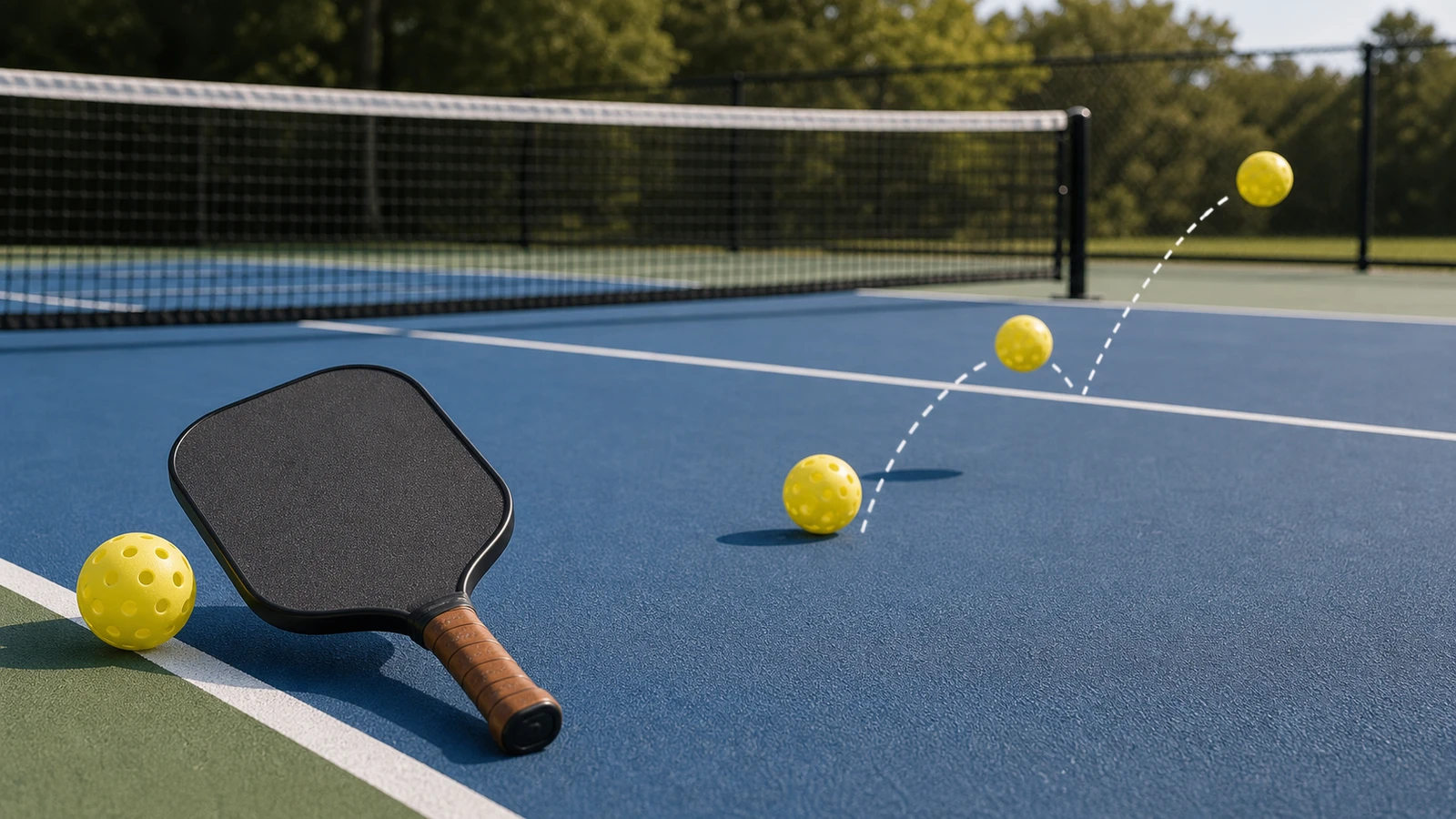
The drop serve is easier to hit legally but gives up pace. The volley serve is harder to master but more aggressive. Here's when each one wins.
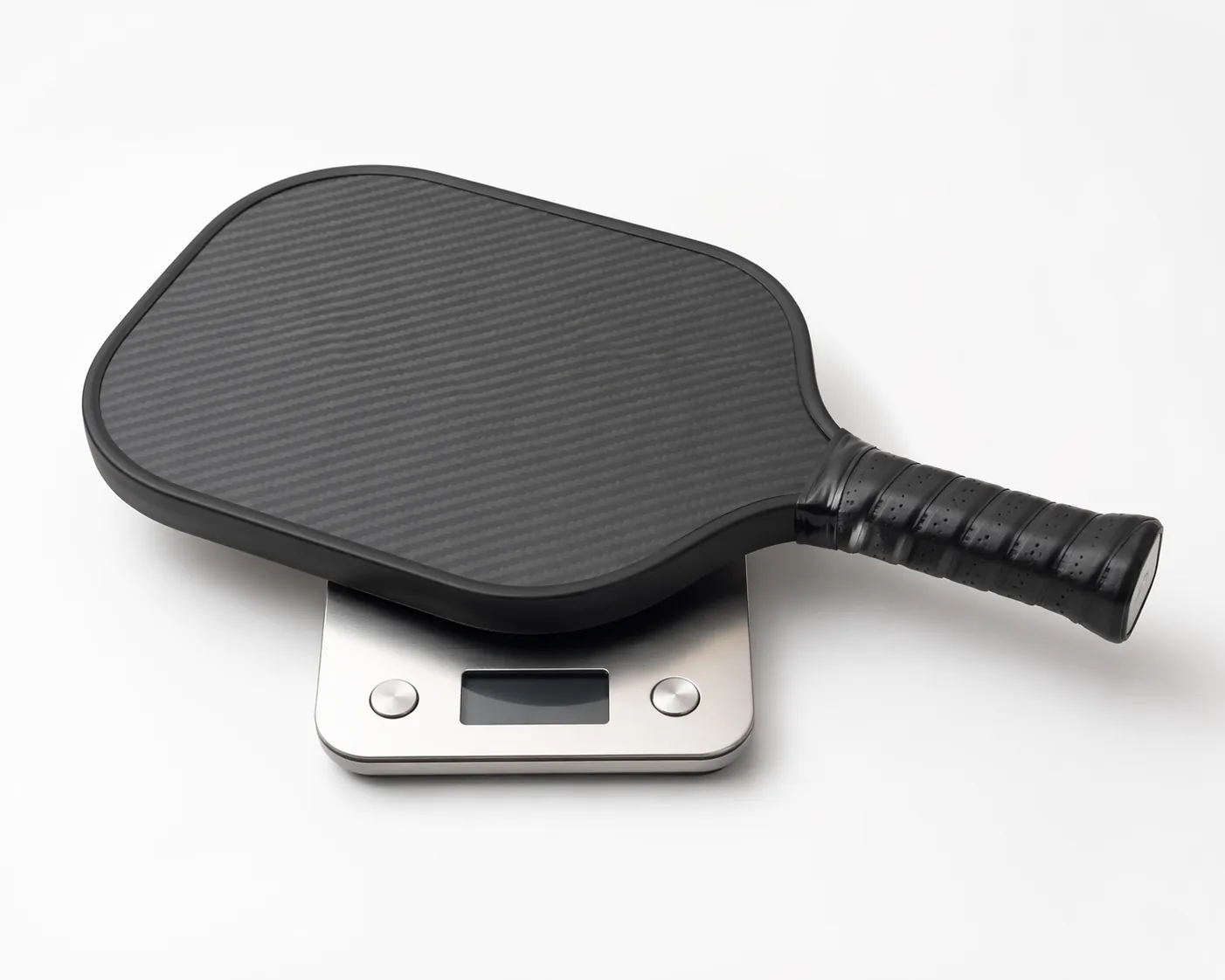
Paddle weight affects power, control, fatigue, and injury risk. Here's how to pick the right weight for your play style, body, and skill level.
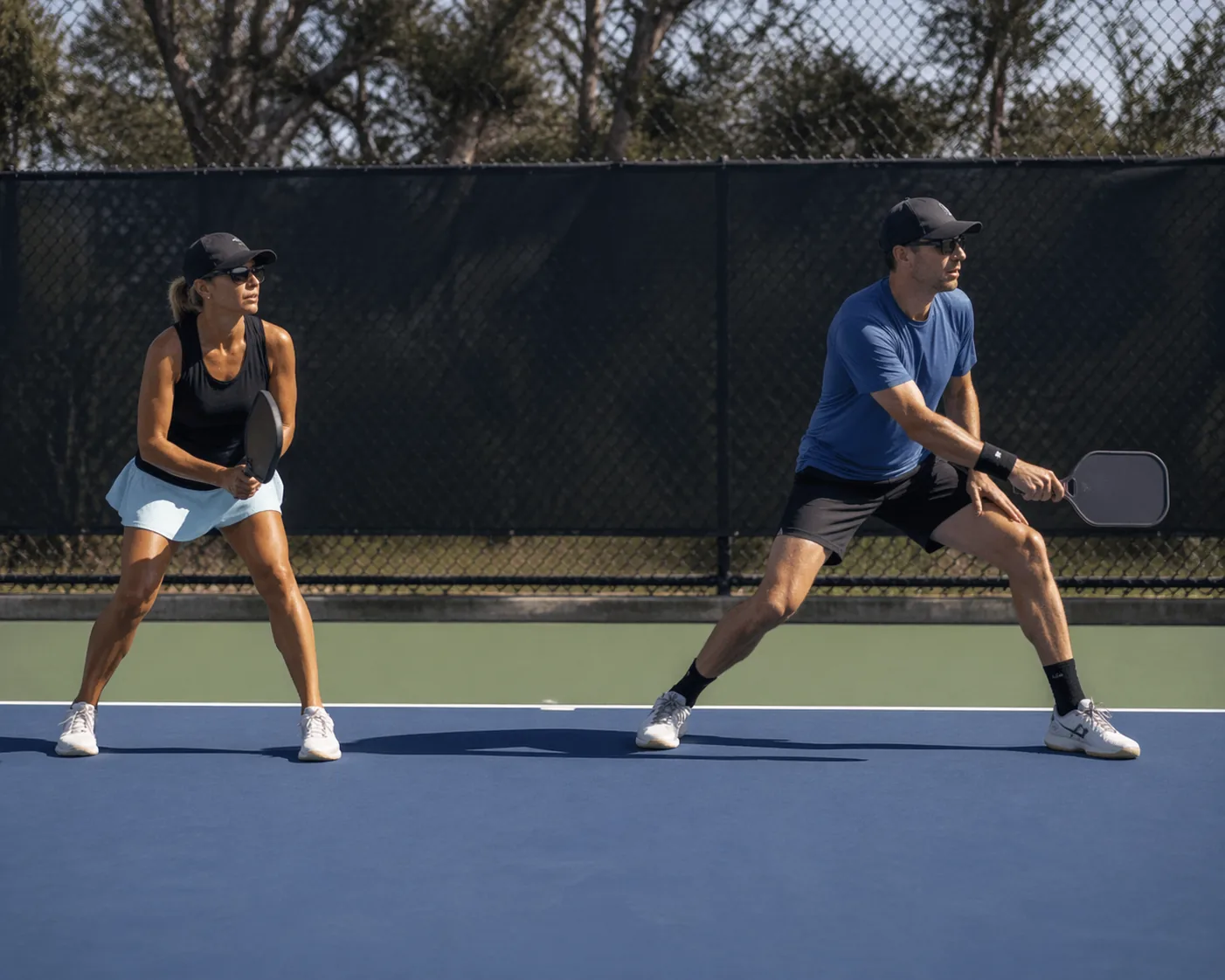
What stacking is, when to use it, and the three formations that cover 95% of real play. No jargon, no pro-level cases.
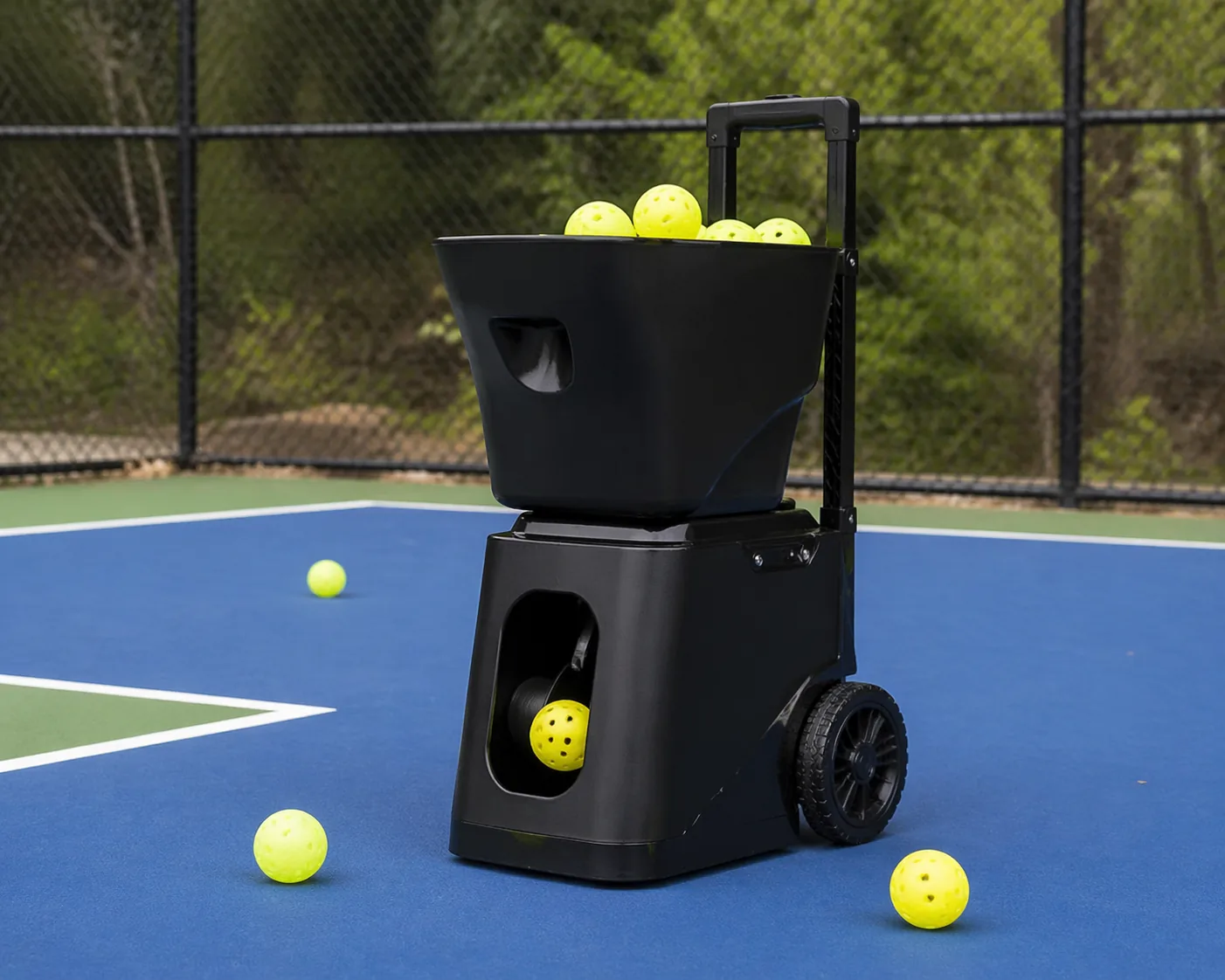
Five ball machines under $500 that actually work. Tested for feed consistency, portability, and whether they're worth the money.
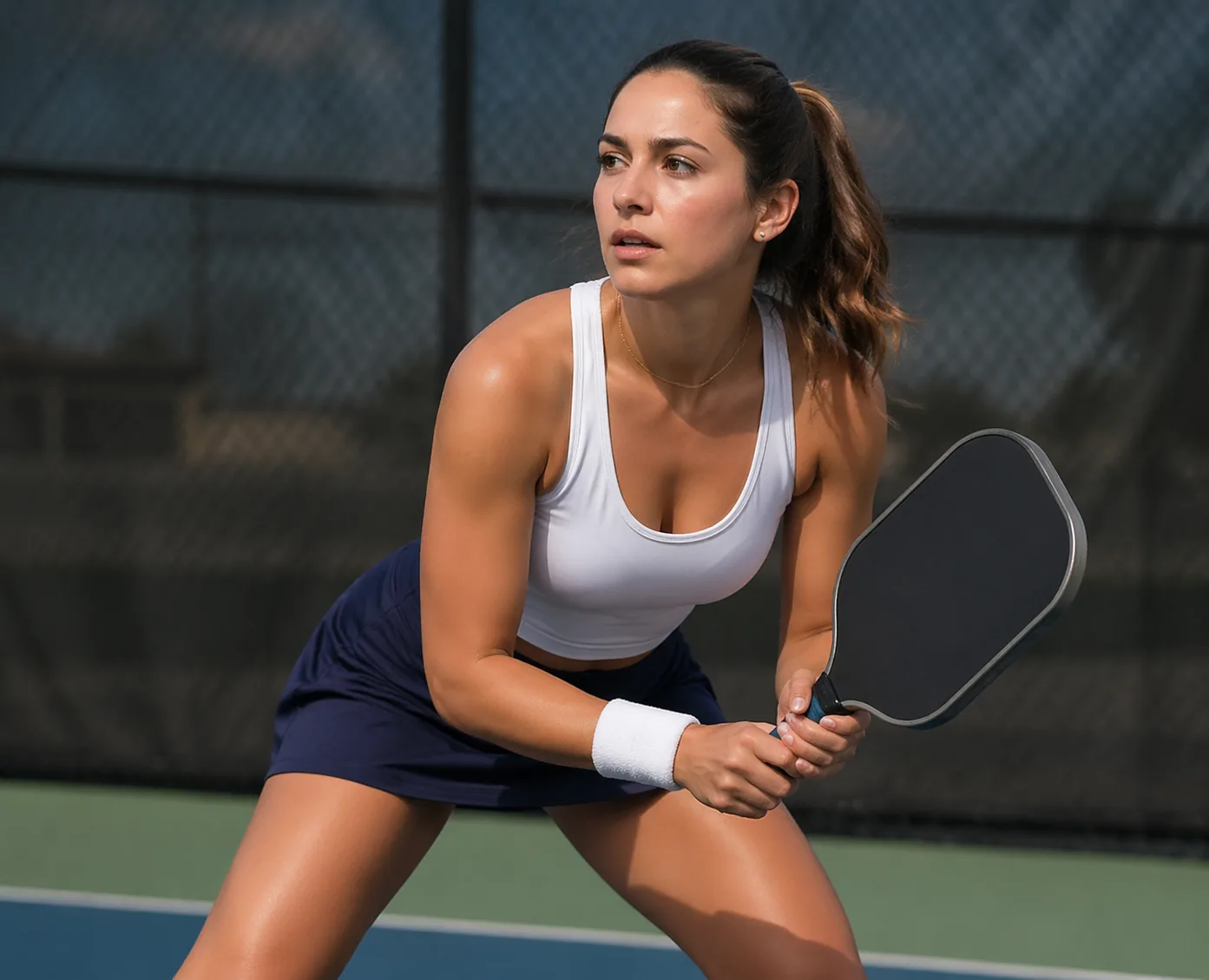
Six paddles tested specifically for women players — lighter weight, smaller grips, and practical playability. Not marketing; actual fit-to-game.
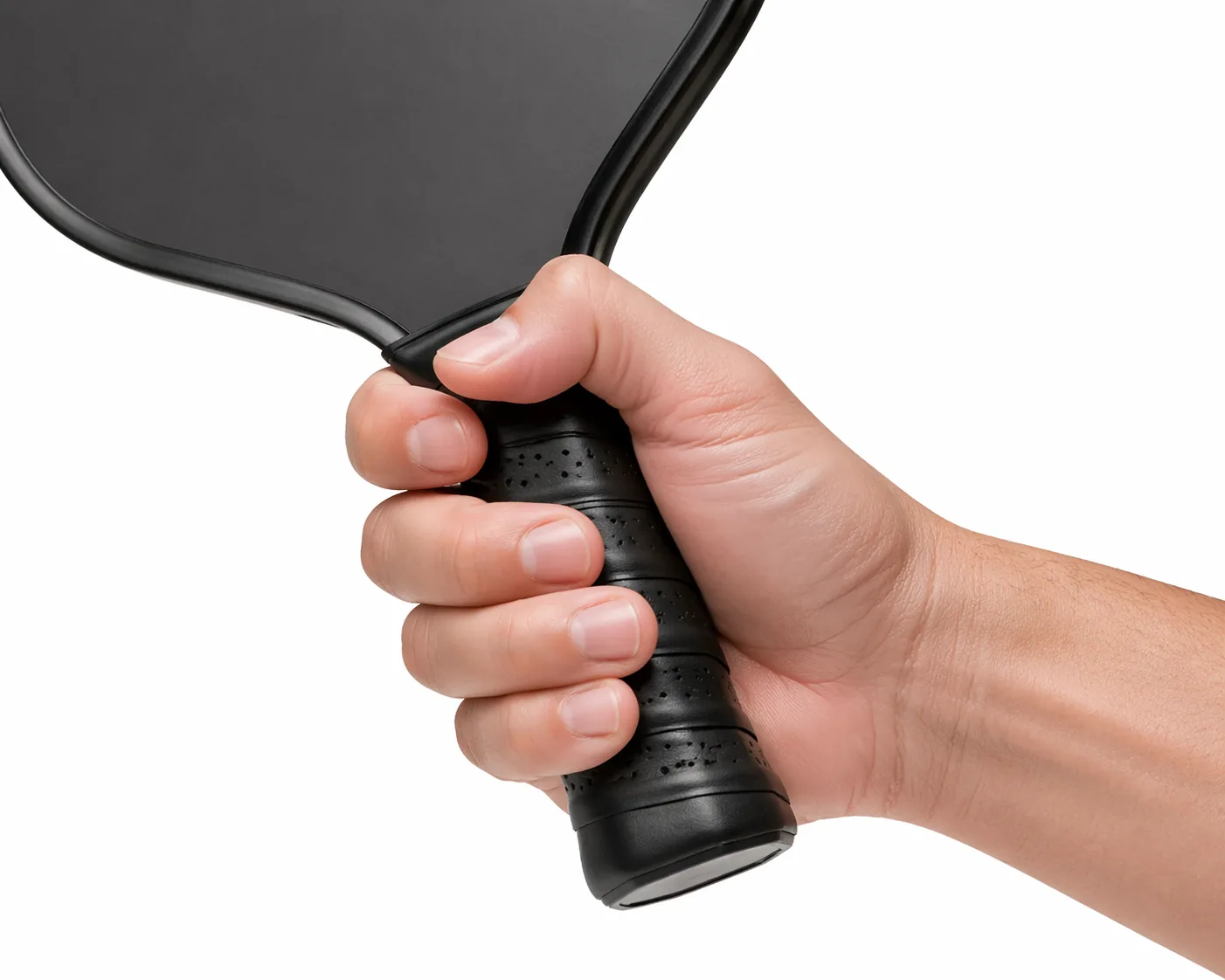
Grip size affects control, wrist stability, and elbow strain more than almost any other paddle spec. Here's how to measure and choose correctly.
The 2.000 to 8.000 DUPR scale explained by skill level, with concrete benchmarks for what each rating looks like on the court.
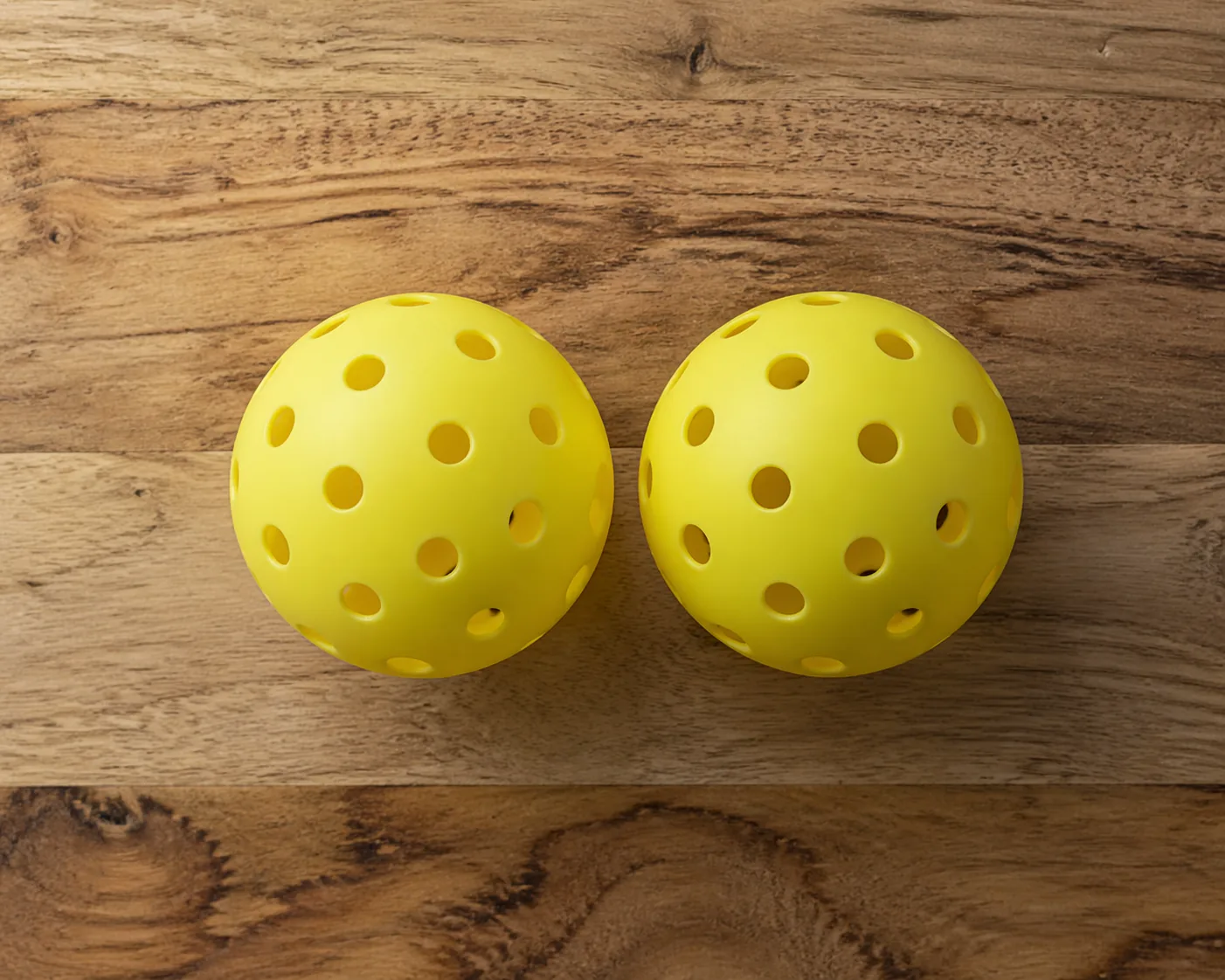
Indoor and outdoor pickleballs are not interchangeable. Hole count, weight, plastic hardness, and wind resistance all change. Here's the honest comparison.
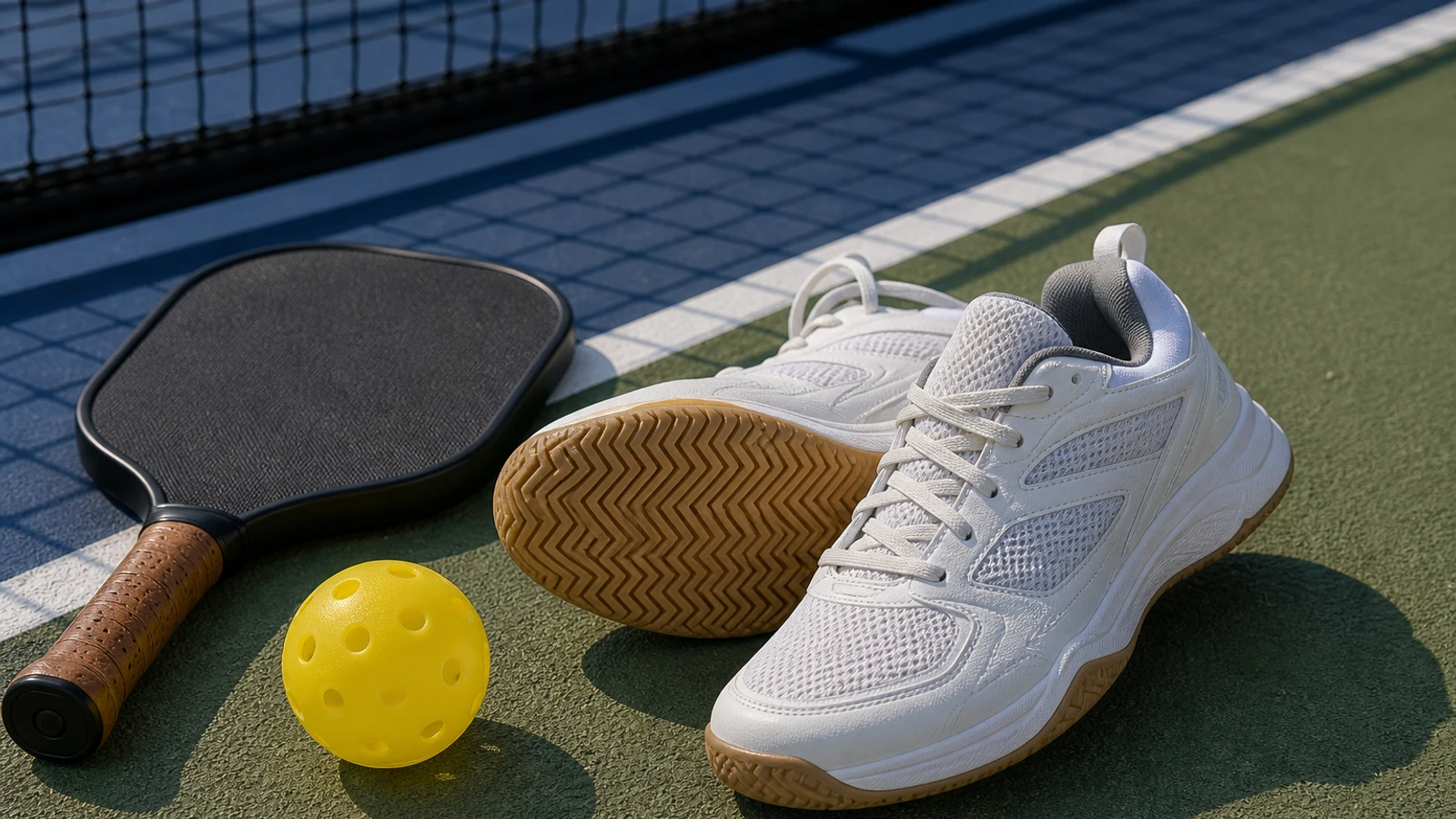
Six shoes tested on outdoor concrete and asphalt. Traction, durability, and what actually survives a summer of outdoor play.
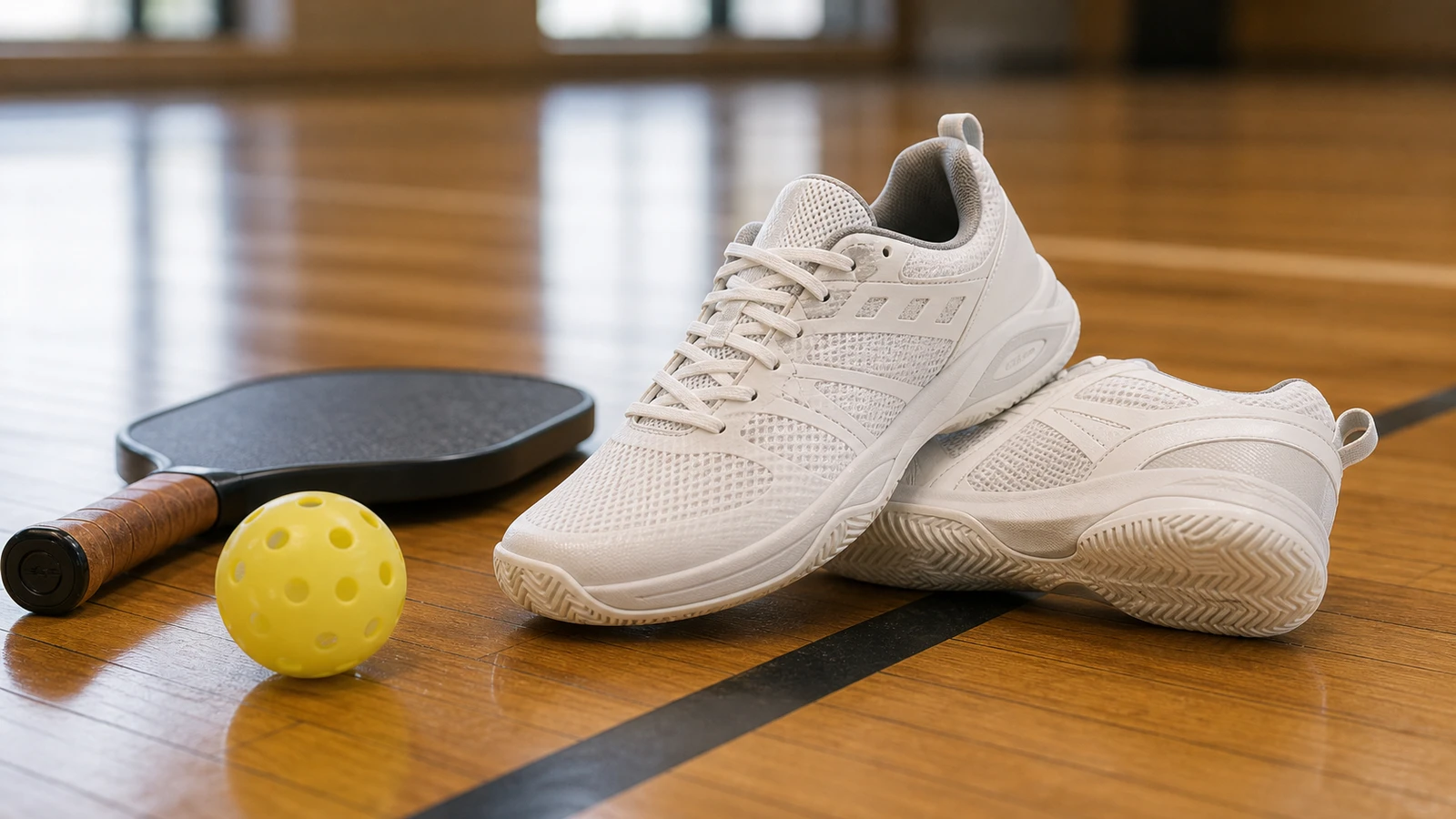
Six shoes tested on gym flooring — what grips, what squeaks, what kills your knees. Indoor pickleball needs a different shoe than outdoor.
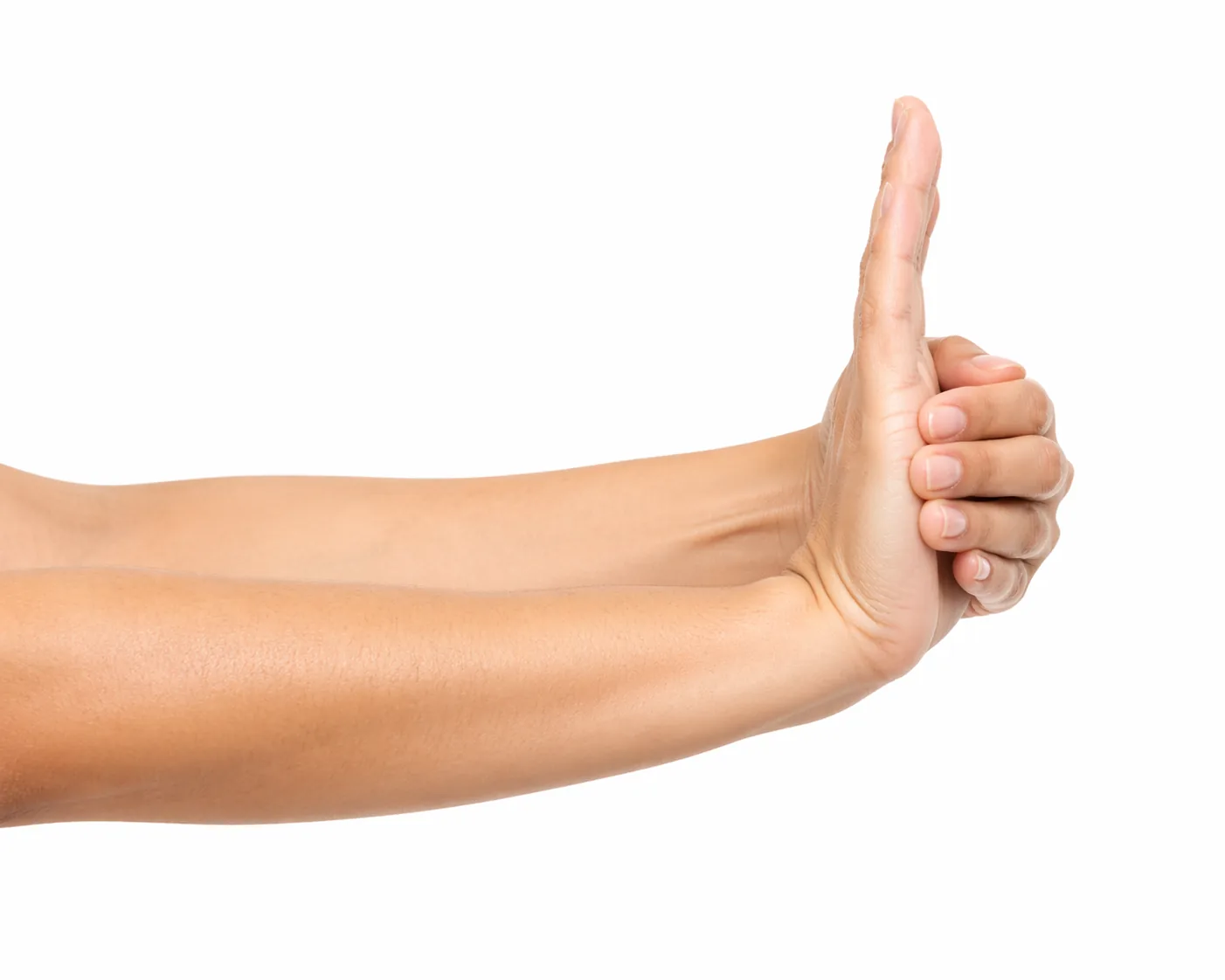
Pickleball elbow is preventable in most cases. Five evidence-based exercises plus the technique fixes that matter more than any brace or wrap.
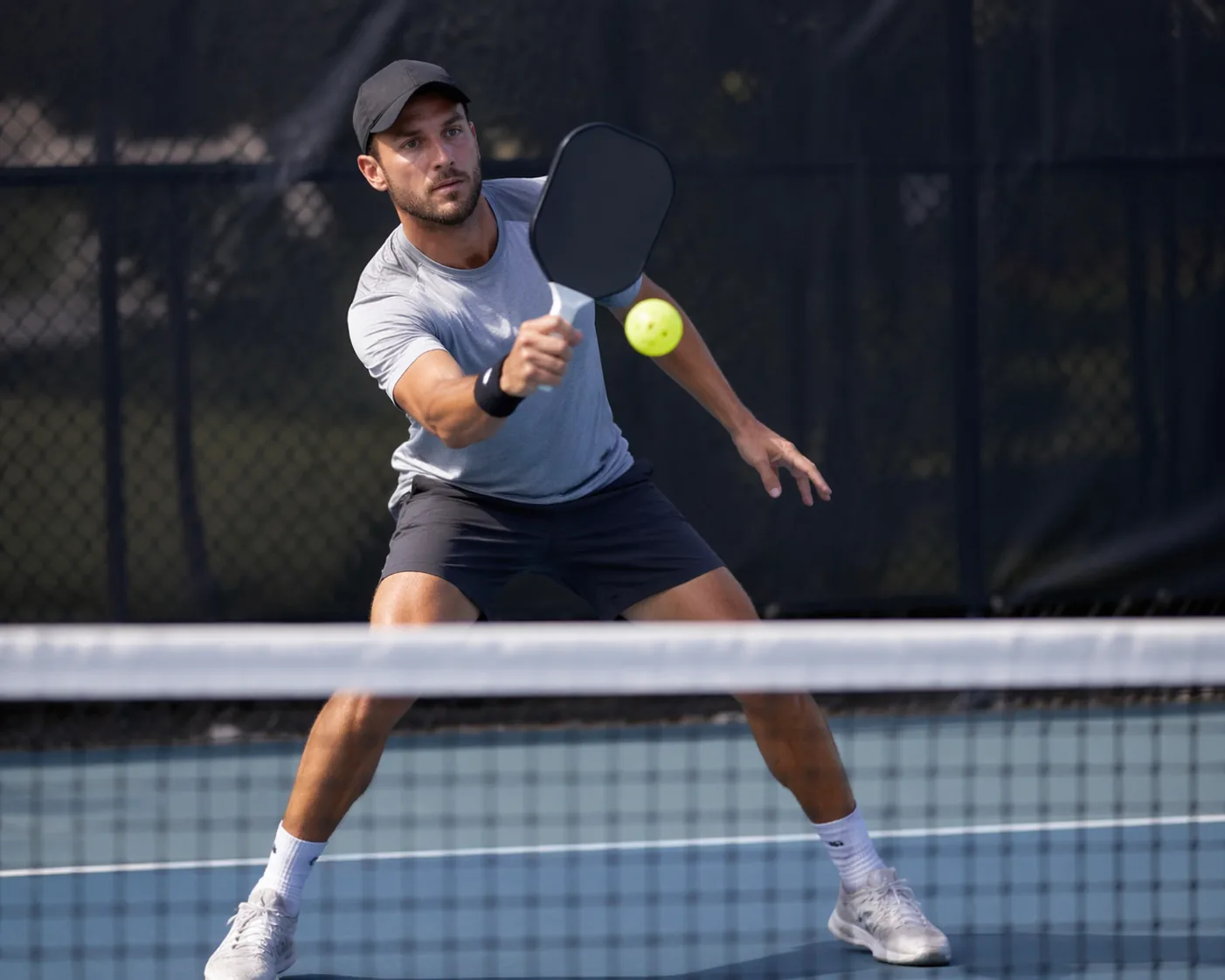
Six paddles for the DUPR 3.5–4.0 window — the stage where paddle choice actually affects your rate of improvement. Ranked honestly.
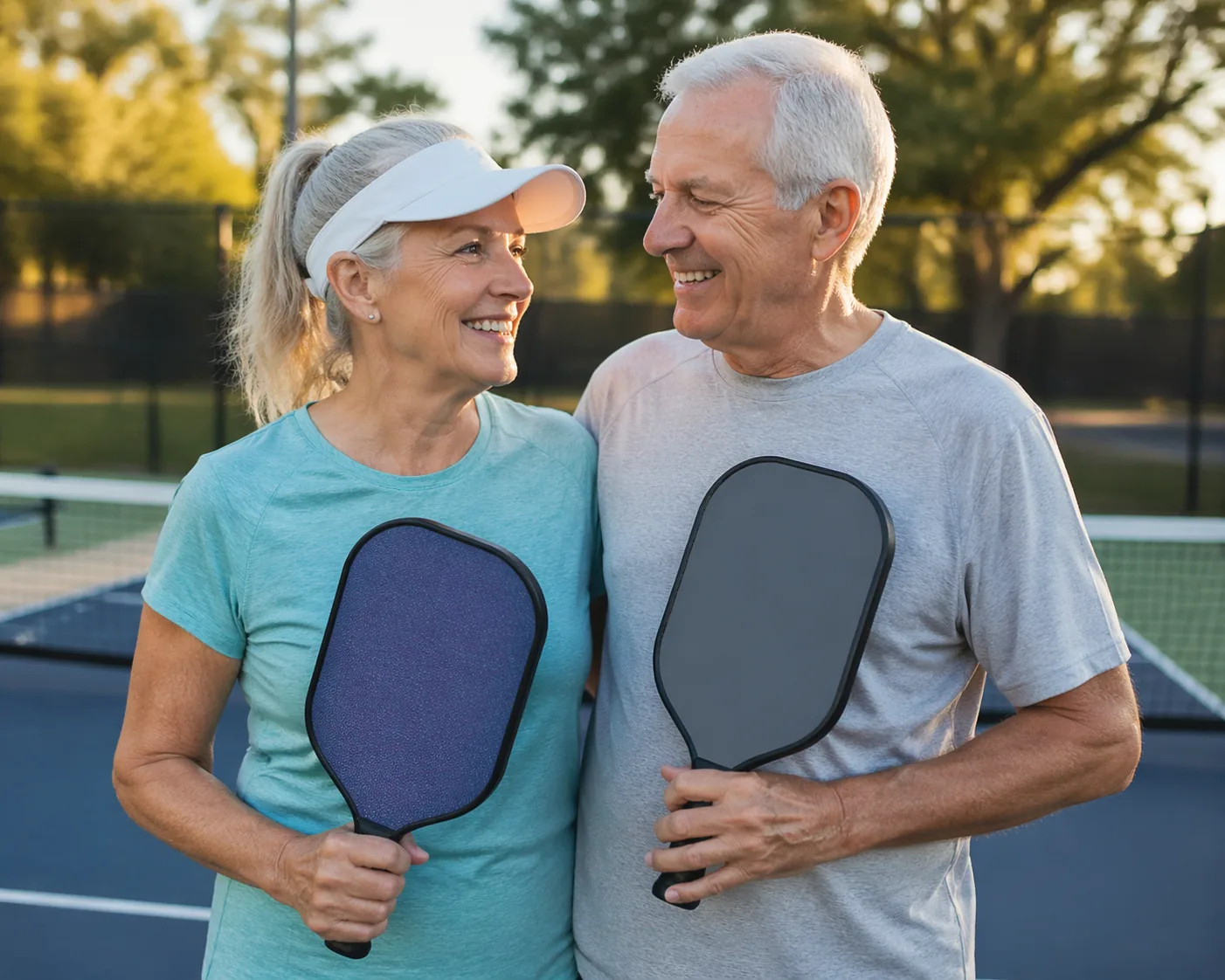
Six lightweight, joint-friendly paddles picked specifically for players 55+. Weight, grip size, and vibration all matter more than marketing does.
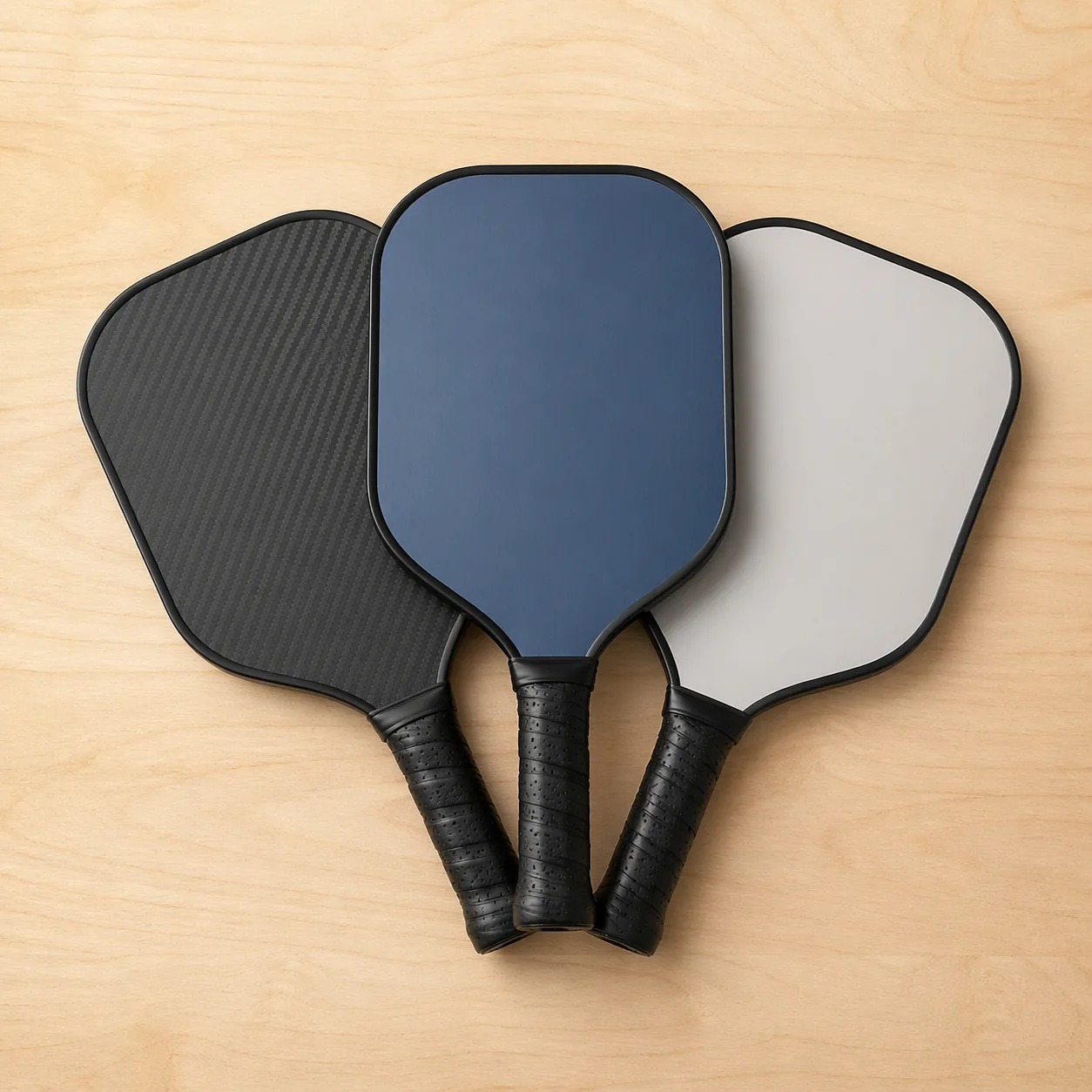
Seven paddles under $100 that actually compete with paddles twice the price. Tested side-by-side with premium reference paddles.
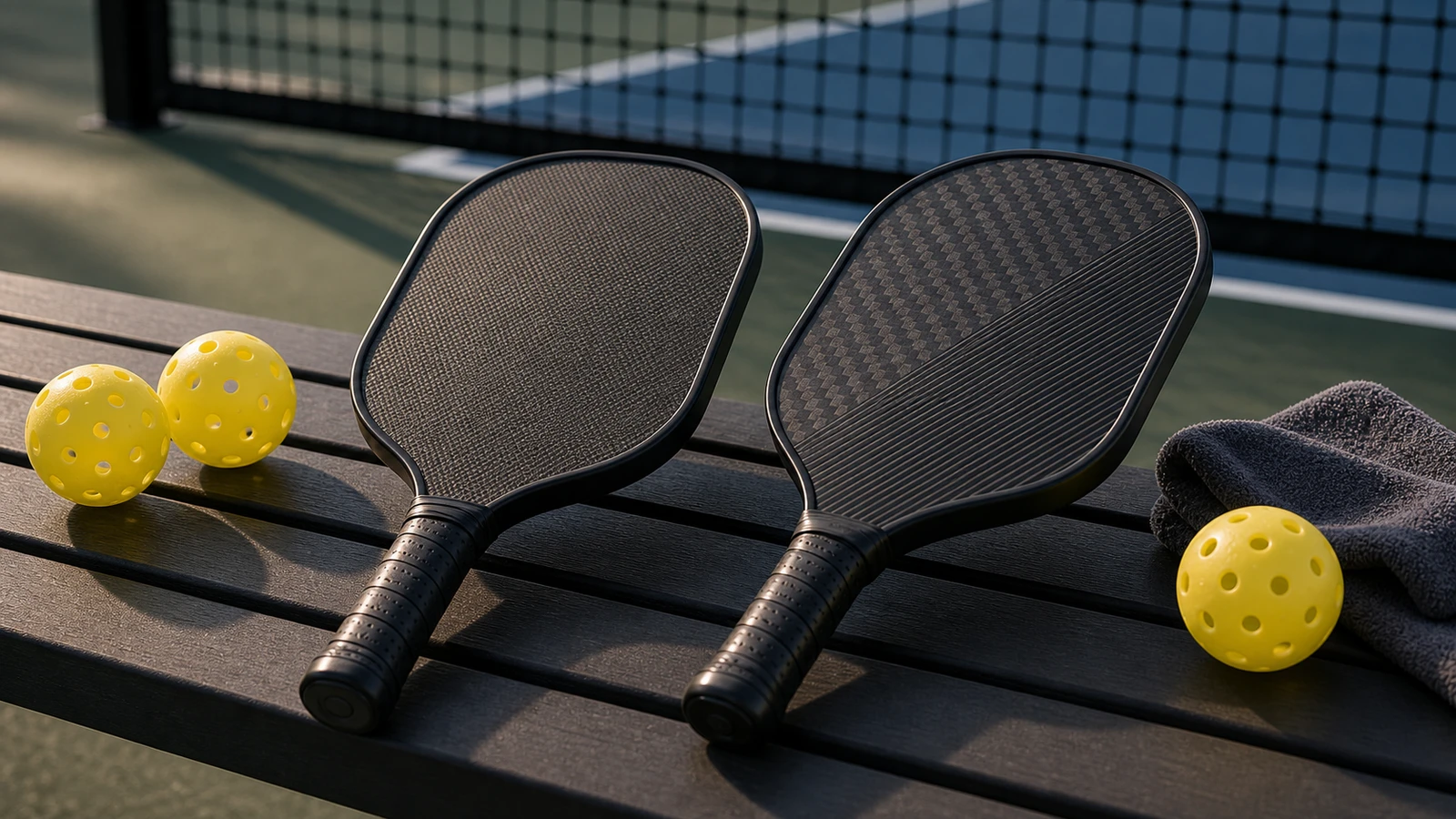
Two $250+ premium paddles, two different philosophies. Perseus: power and spin. Luxx: control and touch. Here's which fits your game.
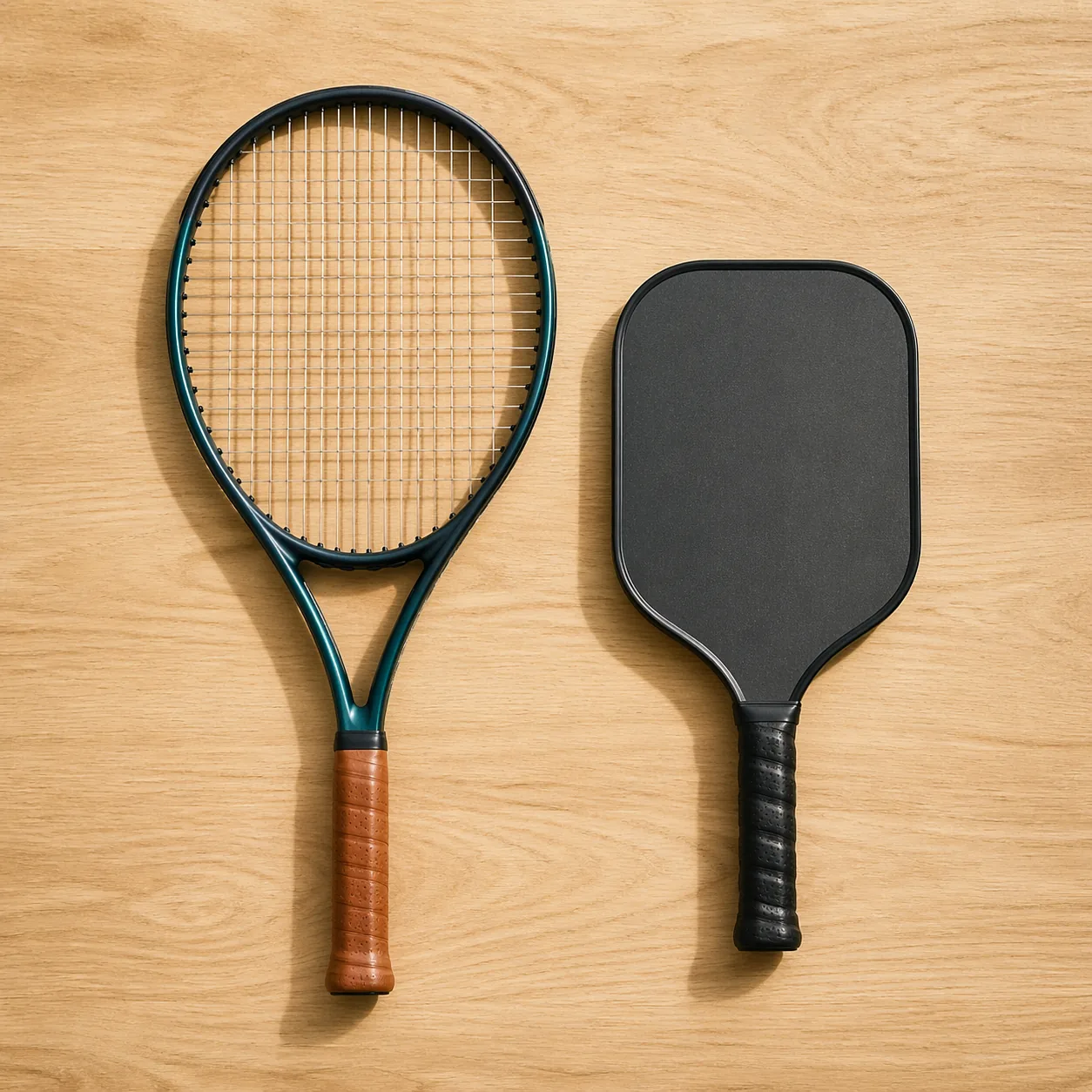
Six paddles that actually solve the tennis-to-pickleball transition problems — stiffness, dwell time, and the paddle-above-wrist habit. Tested and ranked.
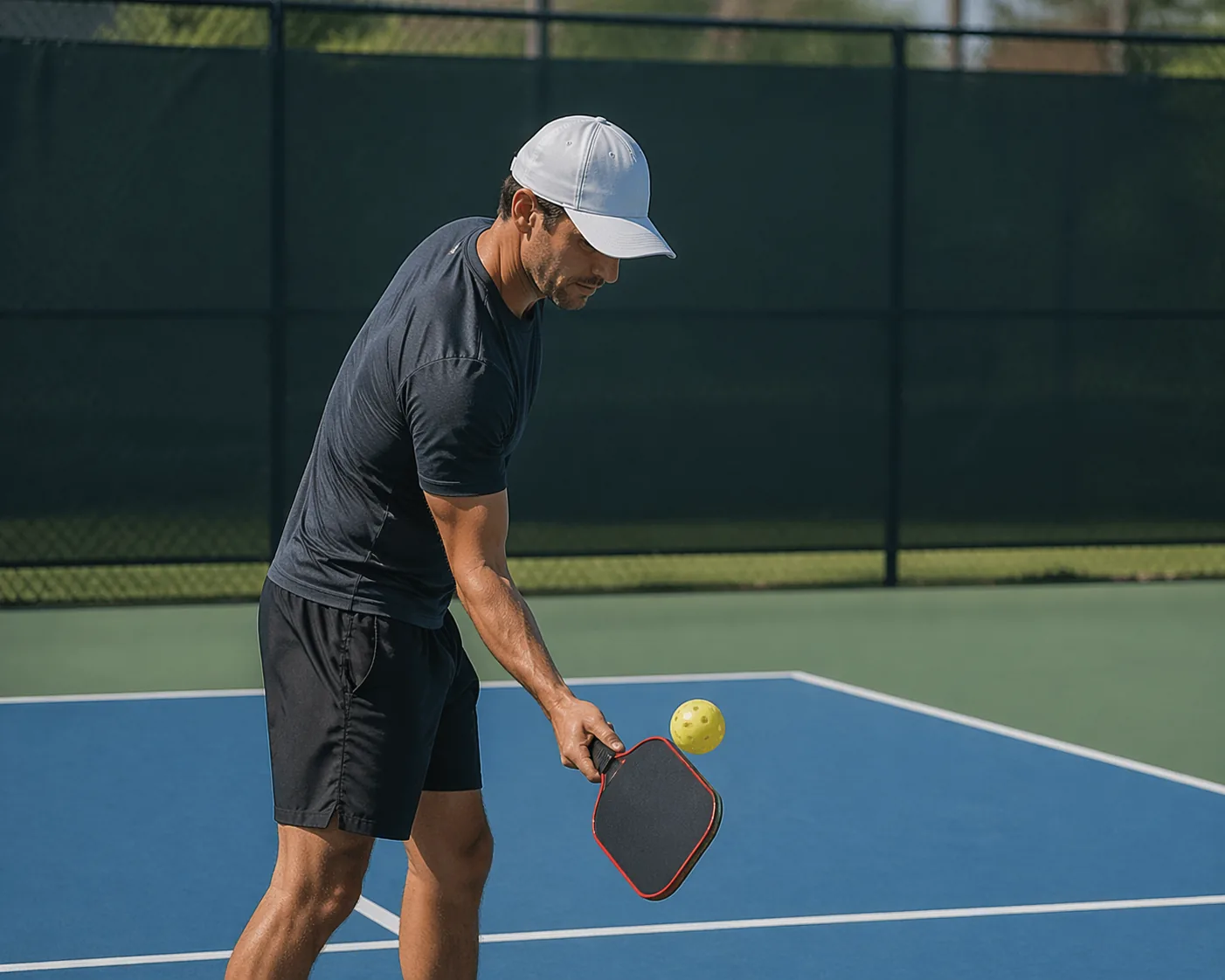
No major serve mechanics changed in 2026, but one small word change — 'clearly' — shifts how referees call faults. Here's exactly what it means.