
Espresso
Best Coffee Beans for Home Espresso (2026)
Specialty roasters ship fresh beans to your door — and the difference vs supermarket coffee is dramatic. Six roasters to know, by price and style.
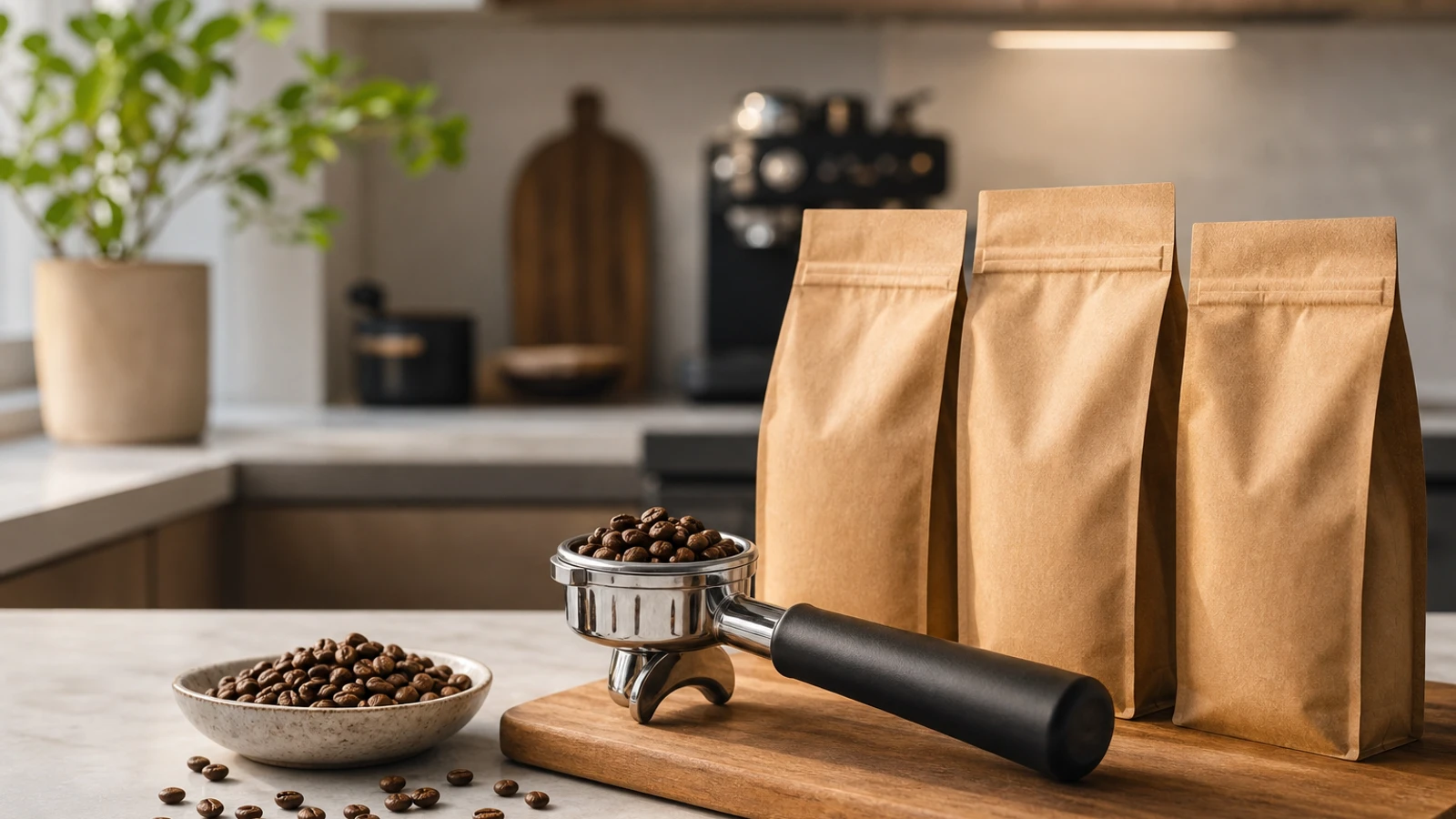
Your home espresso setup can be exceptional, but if you’re using supermarket Lavazza, you’re leaving most of the cup quality on the table. Specialty roasters (often called “third-wave”) ship beans roasted within 5–14 days of purchase — and that freshness window is the single biggest quality difference between home espresso and cafe espresso.
Six roasters to know, by price tier and roasting philosophy.
Freshness is everything
Coffee loses quality fastest in the first 30 days after roast. By day 60, it’s noticeably flat. By day 90, it’s basically stale.
Supermarket coffee is typically roasted 60–120 days before purchase. Specialty roasters ship beans 5–14 days post-roast, with a “best by roasted-on date.” The gap is dramatic in the cup.
Rule: use beans 7–30 days from roast for espresso. Day 1–4 is too gassy (bad pulls). Day 5–30 is peak. Day 30+ declines fast.
Light vs medium vs dark roast for espresso
Light roast espresso: bright, acidic, fruit-forward. Requires careful dial-in and good equipment. Onyx, George Howell, Blue Bottle signature.
Medium roast espresso: balanced, accessible, works on most machines. Most specialty blends land here. Counter Culture, Stumptown.
Dark roast / traditional: robust, bittersweet, classic Italian espresso. Intelligentsia Black Cat, Illy. Forgiving on dial-in.
For a new home barista, start medium. Light roast espresso has a steeper learning curve because extraction windows are narrower.
Top roasters ranked
1. Onyx Coffee Lab — best broadly-loved
Score: 9.5 / 10 · Price: $18–$26 per 10oz
Onyx is the critics’ darling for good reason. They roast bright, specialty-grade beans that showcase origin character without being overwhelming. Their espresso blends (Monarch, Southern Weather) are go-to options for modern home baristas.
Roast dates are fresh (usually 2–5 days when shipped). Selection rotates by season. Customer service is excellent.
Best for: most home espresso drinkers who want exceptional quality without deep specialty knowledge.
2. Intelligentsia Black Cat Classic — best Italian-style
Score: 9.2 / 10 · Price: ~$22 per 12oz
The Black Cat Classic has been the benchmark for modern American espresso for 20+ years. It’s a darker roast than Onyx or Counter Culture, but still within the specialty tier — not industrial.
Forgiving for new baristas (wide extraction window), excellent crema, works perfectly in milk drinks. If you’re torn between bright specialty and traditional dark, Black Cat Classic is the middle path.
Best for: players wanting classic espresso character with modern quality.
3. Trade Coffee — best budget specialty access
Score: 8.8 / 10 · Price: $15–$22 per 10oz
Trade is a specialty coffee marketplace/subscription that matches you with roasters based on taste preferences. Pricing is slightly lower than buying direct from premium roasters, and access is to a wide network of 60+ regional roasters.
For a user who doesn’t know their preferences yet, Trade is the fastest way to find your favorite roaster. Once found, you can typically buy direct cheaper.
Best for: beginners exploring specialty coffee; users who want variety.
4. George Howell Coffee — best premium SO espresso
Score: 9.3 / 10 · Price: $26–$40 per 10oz
George Howell is one of the pioneers of third-wave American coffee. Their single-origin (SO) beans for espresso are exceptional — terroir-forward, delicate, challenging to dial in but rewarding.
Not for beginners. The extraction window on light-roasted single origins is narrow; you’ll burn through 2–3 bags learning each bean. But at the peak, the cup quality is unmatched.
Best for: experienced home baristas with good equipment.
5. Counter Culture Hologram — best for milk drinks
Score: 9.0 / 10 · Price: ~$20 per 12oz
Counter Culture is consistently excellent across their range, but the Hologram blend specifically shines in milk drinks. Balanced, creamy, chocolate-forward, doesn’t lose character in steamed milk.
If you’re primarily drinking lattes, flat whites, or cortados, Hologram is the pick. For straight shots, Counter Culture’s Big Trouble is a better match.
Best for: latte/cappuccino drinkers; milk-drink-focused households.
6. Stumptown Hair Bender — best classic blend
Score: 8.9 / 10 · Price: ~$18 per 12oz
Stumptown’s Hair Bender has been around forever and defined the American specialty coffee scene in the 2000s. It’s a blend that works: balanced, versatile, espresso-friendly across dial-in variations.
If you want a dependable baseline bean to compare other roasters against, Hair Bender is the reference.
Best for: baseline buyers; gift-giving; reliable daily espresso.
Buying tips
Subscribe direct from one roaster
Once you’ve found a roaster you love, subscribe to monthly shipments. You’ll get 10–20% off retail price, plus scheduled freshness.
Order 2 weeks of coffee at a time
Beans drop off after 30 days. Ordering 4+ bags at once to save on shipping means the last bags are past peak. Order smaller, more often.
Store in a one-way valve bag
The valve lets CO2 out (fresh beans release gas) but keeps oxygen from getting in. Keep the bag rolled tight, at room temp, away from light. Freezer storage works for long-term bulk (2+ months ahead) but not day-to-day.
Don’t buy pre-ground
Pre-ground coffee loses aroma in 15–30 minutes. Always buy whole bean and grind within 5 minutes of brewing.
Price vs value
| Price range | Expectation |
|---|---|
| Under $14/12oz | Usually not specialty. Quality gap is noticeable. |
| $15–$22/12oz | Specialty entry. Most major roasters here. Sweet spot. |
| $23–$30/12oz | Premium single origins, limited releases. |
| $30+/12oz | Competition-grade beans, microlots. Expert territory. |
The $15–$22 range has the best quality-to-price ratio. Going above adds marginal cup improvements; going below drops quality fast.
Frequently asked questions
- Where can I buy fresh coffee beans for espresso?
- Directly from specialty roasters (Onyx, Intelligentsia, Counter Culture, George Howell, Stumptown) who ship beans roasted within 5–14 days. Subscription services like Trade Coffee aggregate multiple roasters. Avoid supermarket coffee — typically 60–120 days old by purchase.
- How fresh should coffee beans be for espresso?
- 7–30 days from roast is the peak window. Day 1–4 is too gassy (beans still releasing CO2, produces bad pulls). Day 30+ declines quickly. Always check the 'roasted on' date when buying.
- Light, medium, or dark roast for home espresso?
- Medium for most people. Light roast is trendy and flavor-forward but demanding to dial in. Dark roast is forgiving and classic but less nuanced. Medium (Counter Culture, Intelligentsia) balances accessibility with quality.
- Can I use regular supermarket coffee for espresso?
- It will pull shots, but quality will be significantly lower than specialty beans. Supermarket coffee is typically stale by purchase and blended for drip coffee, not espresso. The quality difference is dramatic once you've tried fresh specialty beans.
- Should I freeze my coffee beans?
- Not for day-to-day use. Freezing changes structure and moisture content. For long-term storage (beans you won't use for 2+ months), freezing in airtight containers works. For weekly/monthly use, store at room temperature in original bag.
- How much coffee will I use per week for home espresso?
- A typical home barista uses ~250g of coffee per week (about 1 bag) for 2–4 shots/day. At $18–$22 per bag, that's roughly $75–$90/month in beans. Adjust based on consumption.
Sources and further reading
- Onyx Coffee Lab
- Intelligentsia Black Cat
- Sprudge Coffee Industry News
- James Hoffmann’s Coffee Content
- Related: Best Espresso Machines Under $1,000 · Best Espresso Grinders
Last updated May 23, 2026. See our editorial policy for methodology.
The Signal Brief
One useful dispatch each week.
One sharp take, three things worth reading, and the week's buying signals.