
Smart Home
Smart Home for Renters: Devices You Can Usually Take With You
A renter-friendly smart home guide for plugs, bulbs, sensors, cameras, locks, thermostats, adhesives, leases, privacy, and moving out.
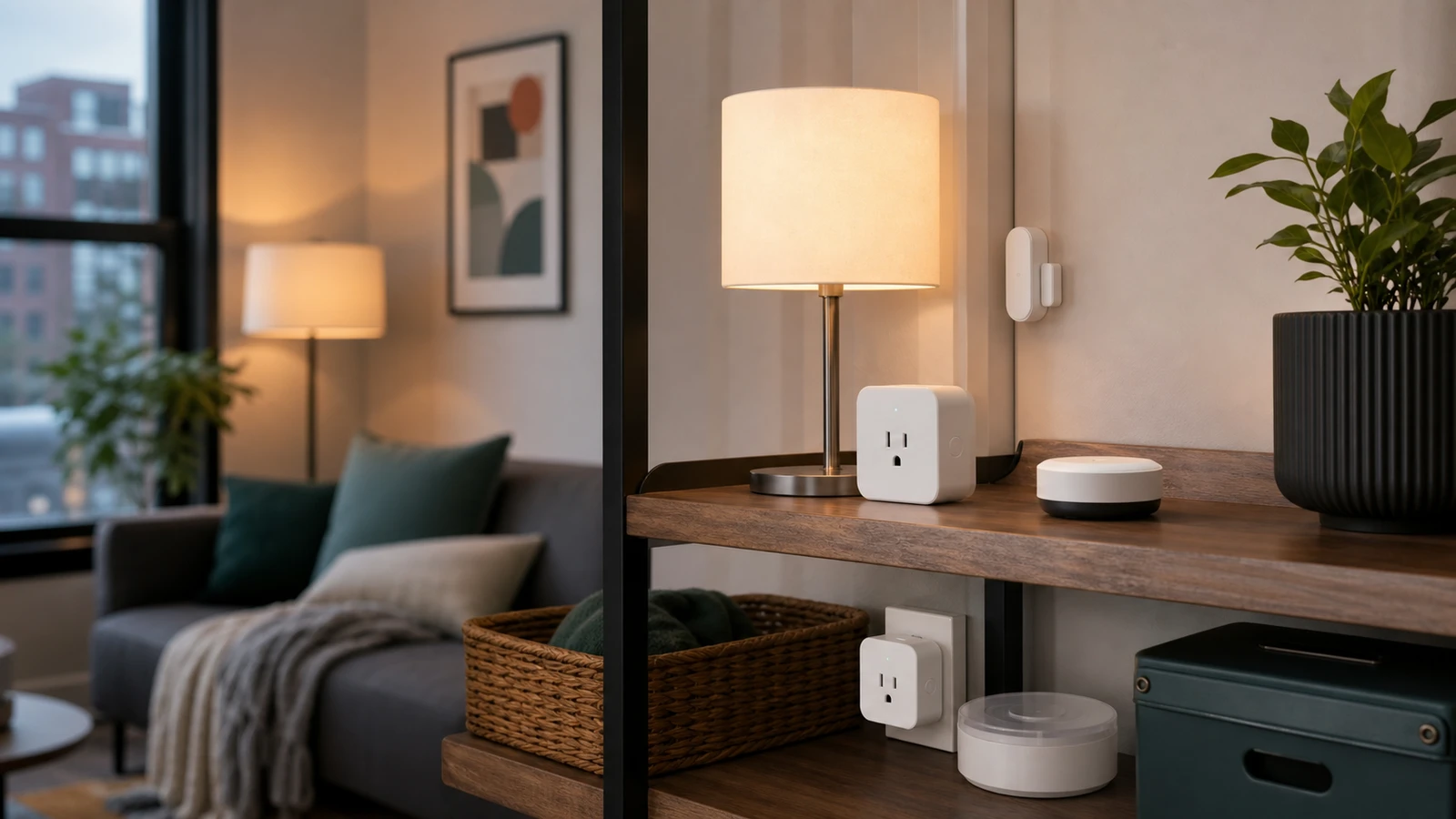
Renters can build useful smart homes, but the safest upgrades are removable, reversible, and easy to factory reset. Anything that changes wiring, locks, thermostats, exterior cameras, or shared building systems deserves more caution.
Usually renter-friendly
Start here:
- Smart plugs.
- Smart bulbs in your own lamps.
- Floor lamps.
- Removable contact sensors.
- Water leak sensors.
- Voice assistants in common rooms.
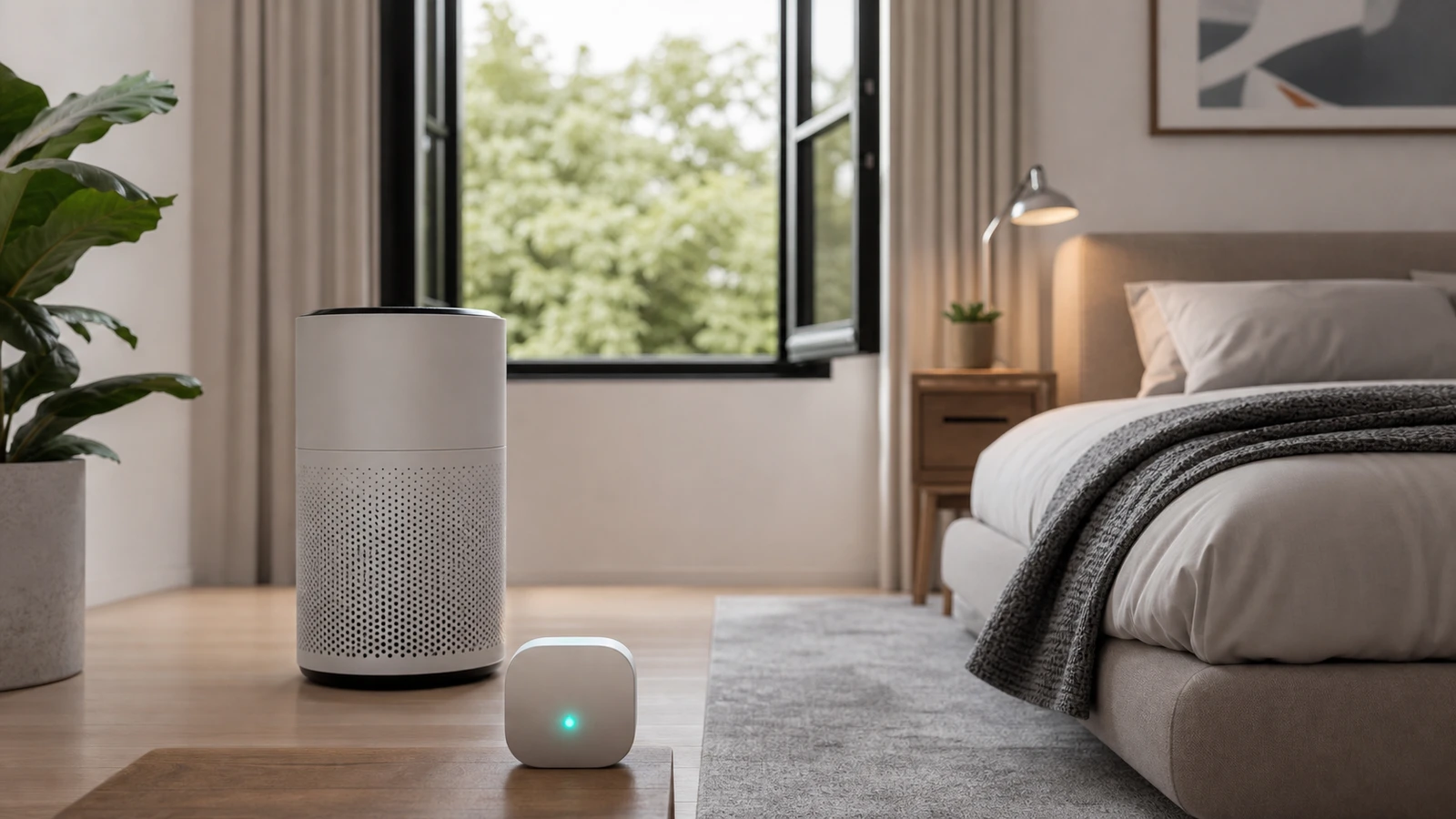
- Portable air-quality monitors.
- Button controllers with removable adhesive.
These devices usually do not require wiring or permanent changes.
Ask first or avoid
Be careful with:
- Smart locks.
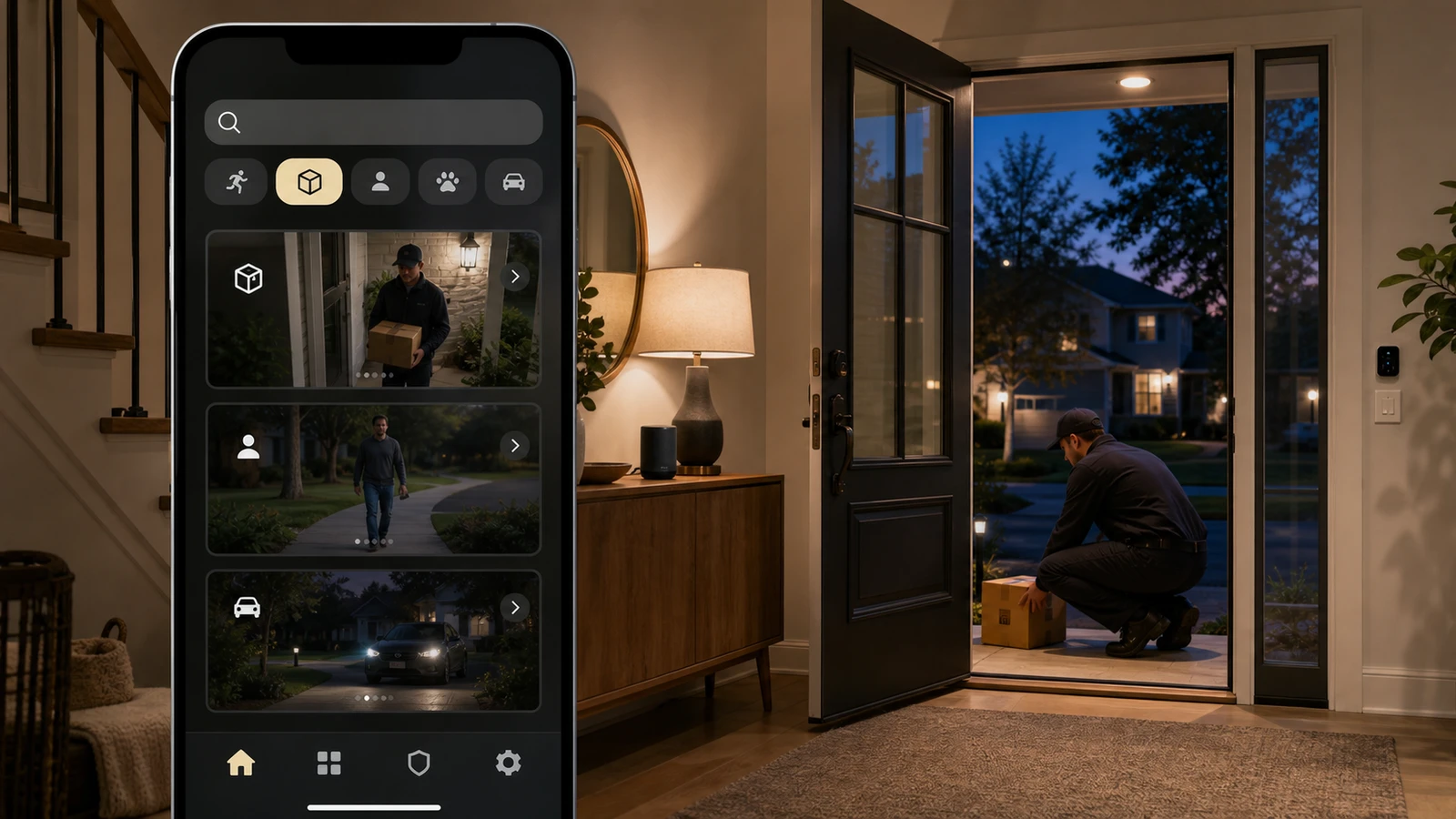
- Video doorbells.
- Outdoor cameras.
- Smart thermostats.
- Hardwired switches or dimmers.
- Ceiling fixtures.
- Shared hallway devices.
- Anything mounted to exterior surfaces.
Even if installation is easy, it may not be allowed.
Moving out
Before leaving:
- Remove devices from apps.
- Factory reset devices.
- Delete shared users.
- Remove routines that control the old address.
- Restore original bulbs, switches, keys, or thermostats if required.
- Remove adhesive carefully.
- Keep device names generic so they do not expose the new address.
FTC guidance for buying or selling a smart home stresses resetting devices and checking privacy settings. Renters should treat move-out the same way.
Room-by-room starter plan
A renter-friendly setup is easier to maintain when each room has a small job instead of a pile of devices.
For a bedroom, a smart plug on a lamp, a basic button, or a portable speaker is usually lower risk than cameras, microphones, locks, or anything mounted into trim. If sleep routines matter, keep a manual switch or normal lamp path so the room still works when Wi-Fi is down.
For a kitchen, smart plugs, leak sensors, and voice timers can be useful, but avoid connecting high-load appliances unless the plug and appliance manual explicitly allow that use. A leak sensor under the sink is often a better first purchase than a complicated automation.
For an entry area, contact sensors and removable buttons are usually safer than changing the lock. A smart lock may be convenient, but it changes access to the unit and can conflict with lease, building, or emergency-access rules.
For a shared living room, pick devices that guests and roommates can understand without your phone. A simple labeled button or lamp routine is less fragile than a private voice command only one person remembers.
Buying rules that keep the setup portable
Before buying, ask whether the device can survive a move:
- Can it be removed without wall damage?
- Can it be factory reset without the original packaging?
- Can it join a new Wi-Fi network without contacting support?
- Does it need a subscription to remain useful?
- Can it be used without exposing the next address or previous room names?
That last point is easy to miss. Device names such as “front apartment door” or “bedroom camera” can remain in apps, voice assistants, automations, and notification history. Use generic names and clean them up before moving.
What to document
Keep a small note with model numbers, battery types, mounting strips used, and factory reset steps. The note is not only for move-out. It also helps when a device stops responding, a roommate needs access, or you need to prove that a device is removable.
If a landlord approves a device, keep that approval with the same note. Verbal permission is easy to misremember when a lease renews or a property manager changes.
Bottom line
Renters should optimize for reversibility. If a device changes access, records shared space, alters wiring, or creates repair risk, slow down and get written approval. If it plugs in, peels off cleanly, and resets easily, it is usually a better first experiment.
Sources and further reading
- FTC: Buying or selling a smart home
- FTC: Securing Your Internet-Connected Devices at Home
- FTC: How To Secure Your Home Security Cameras
- Related: Smart Plug Energy Monitoring
Frequently asked questions
- Can renters install smart locks?
- Only if the lease, landlord, and building rules allow it. Many renters should avoid changing entry hardware.
- What smart home device should renters start with?
- A smart plug, lamp, or removable sensor is usually the safest first device because it can be removed and reset easily.
Last updated May 12, 2026. See our editorial policy for methodology and corrections.
The Signal Brief
One useful dispatch each week.
One sharp take, three things worth reading, and the week's buying signals.