
Smart Home
Smart Smoke and CO Alarm Checklist: What Connectivity Changes
Smart smoke and carbon monoxide alarms can add phone alerts and testing reminders, but the safety basics still matter most.
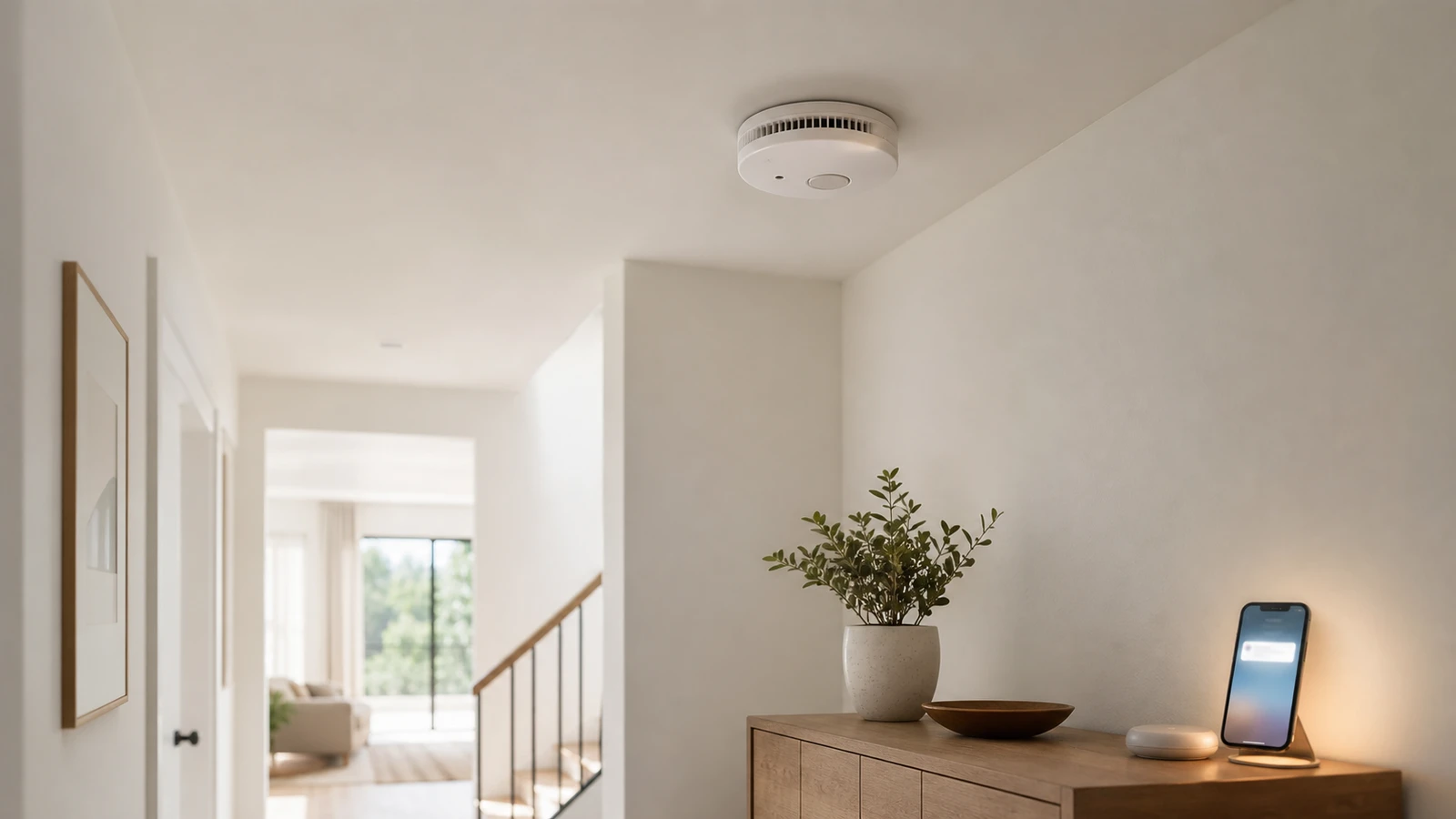
Smart smoke and carbon monoxide alarms are useful when connectivity adds a real benefit: phone alerts while you are away, battery reminders, self-test prompts, or integration with lights and voice announcements.
But the smart part is not the safety system. The safety system is still proper placement, working batteries or power, regular testing, replacement on time, and following local requirements.
What smart features can help with
Useful smart alarm features include:
- Phone alerts when an alarm sounds.
- Low-battery and end-of-life notifications.
- App-based testing history.
- Interconnection with other alarms.
- Lights turning on during an alarm.
- Voice location announcements.
- Status checks for a second home or rental.
These features are convenience and awareness layers. They do not replace the alarm’s local siren or the need for enough properly placed alarms.
What not to overpay for
Be careful with features that sound impressive but do not change your actual safety plan:
- Fancy app dashboards you will not check.
- Voice assistant integrations that do not affect emergency response.
- Complex automations that could fail silently.
- A single premium alarm when the home needs several basic alarms.
In many homes, more correctly placed listed alarms are more important than one expensive connected device.
Placement and replacement still come first
Before choosing a connected model, answer these basics:
- How many smoke alarms does the home need?
- Where are sleeping areas, hallways, and each level?
- Do you need carbon monoxide detection near sleeping areas?
- Are alarms interconnected where required or recommended?
- Are existing alarms near end of life?
- Can you test every alarm without relying only on the app?
USFA guidance emphasizes working smoke alarms and regular testing. Smart features should make that routine easier, not more confusing.
Battery, hardwired, and interconnect choices
Battery-only smart alarms are easiest to install, but they still need testing and replacement. Hardwired alarms may be required in some homes or renovations. Interconnected alarms can make every alarm sound when one detects danger.
If you are replacing hardwired alarms, do not assume the wiring, connector, or interconnect behavior is compatible across brands or generations.
Privacy and update checks
Connected safety devices are still internet-connected devices. Check:
- How long the manufacturer says it will provide software updates.
- Whether the app supports two-factor authentication.
- Whether alerts still sound locally if Wi-Fi is down.
- Whether the device needs cloud service to function.
- What happens if the account is transferred or deleted.
The best smart alarm is boring in daily use and loud when it matters.
A room-by-room planning pass
Before choosing a model, map the home. Note sleeping areas, hallways, each level, attached garage access, fuel-burning appliances, fireplaces, and any room where doors are often closed. Then compare that map with local requirements and manufacturer placement instructions.
Do not let connectivity distract from coverage. A smart alarm in one central spot is not a substitute for enough alarms in the right places.
Testing and replacement rhythm
Put alarm testing on a calendar. App reminders can help, but use the device test method from the manual and make sure every household member recognizes the sound. Also record installation or replacement dates, because smoke and CO alarms have service lives.
If an alarm repeatedly reports faults, low battery, or connectivity problems, do not silence it and forget it. Resolve the issue or replace the device.
What smart integrations should and should not do
Helpful integrations include turning on lights during an alarm, sending phone notifications, and identifying which room triggered. Riskier ideas include complex automations that depend on several cloud services before anyone hears an alert.
The local siren should remain the primary warning. Remote phone alerts are useful when you are away, but they should not be the only notification path for people inside the home.
Rental and multi-unit caution
Rentals, condos, and multi-unit buildings can have rules about alarm type, placement, interconnection, and maintenance responsibility. If you are not the owner, confirm responsibilities before replacing or removing an existing alarm. When in doubt, add non-destructive reminders and ask the responsible party rather than weakening required coverage.
Sources and further reading
- USFA: Smoke Alarms
- CPSC: Carbon Monoxide Questions and Answers
- NIST IR 8425: Profile of the IoT Core Baseline for Consumer IoT Products
- Related: Smart Device Software Update Support
Frequently asked questions
- Are smart smoke alarms safer than regular smoke alarms?
- They can add useful alerts and reminders, but safety still depends on proper placement, working alarms, testing, and replacement.
- Should every alarm in a home be smart?
- Not necessarily. A complete, properly placed set of working alarms is more important than making every alarm app-connected.
Last updated May 12, 2026. See our editorial policy for methodology and corrections.
The Signal Brief
One useful dispatch each week.
One sharp take, three things worth reading, and the week's buying signals.