
Smart Home
Smart Irrigation Controller Guide: WaterSense, Weather, and Zones
Smart irrigation controllers can reduce waste when zones, weather data, soil needs, and local watering rules are set correctly.
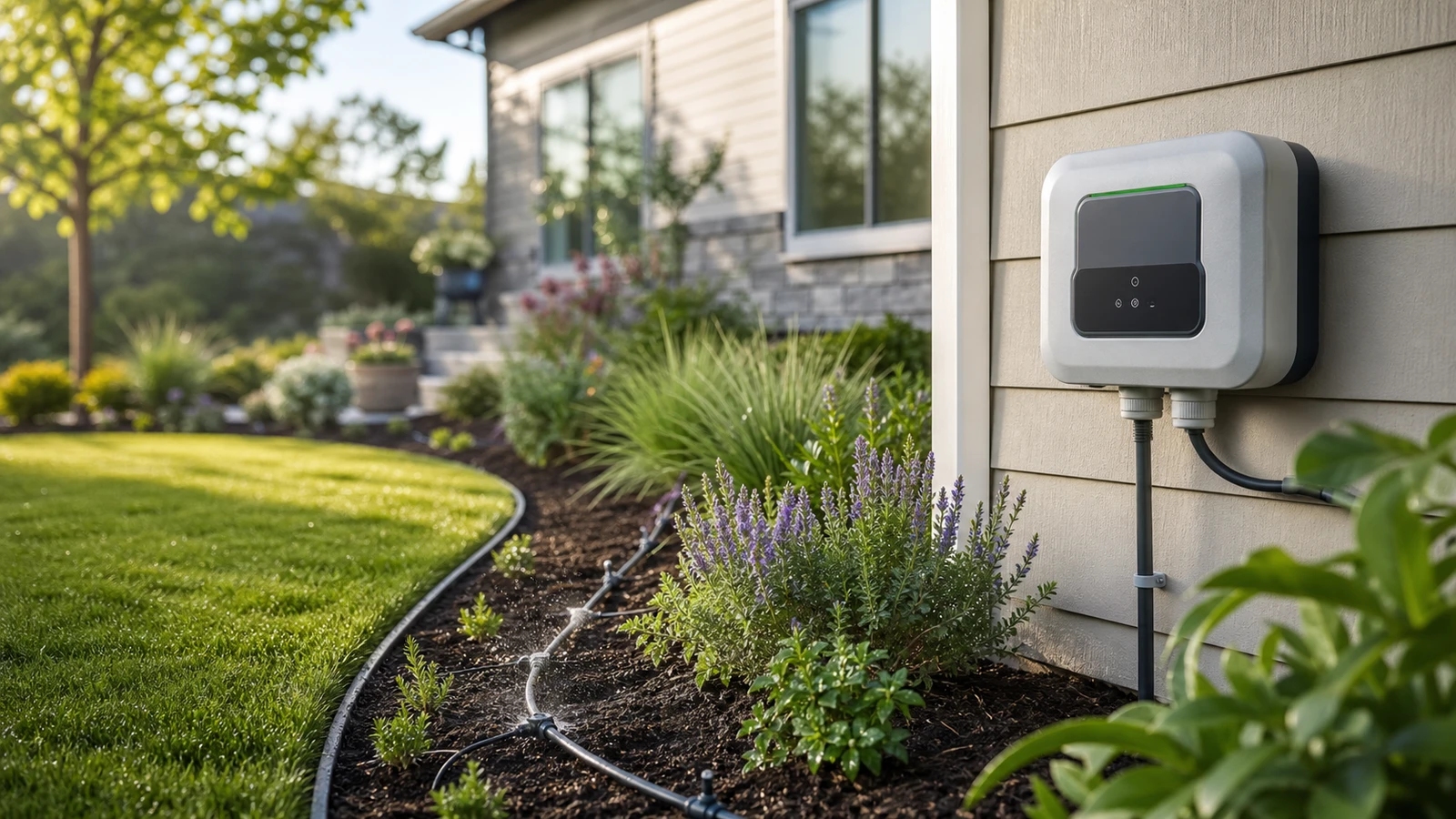
A smart irrigation controller can adjust watering based on weather, season, plant type, and zone settings. That can reduce waste compared with a fixed timer that runs after rain or waters every zone the same way.
The catch: the controller is only as smart as the zone setup. Bad schedules, broken heads, wrong plant settings, and local watering restrictions can defeat the benefit.
What a smart irrigation controller changes
Compared with a basic timer, a smart controller may use:
- Local weather data.
- Rain or freeze skips.
- Seasonal adjustment.
- Soil and plant settings.
- Zone-by-zone schedules.
- App-based pause and manual run controls.
The real value is avoiding unnecessary watering, not watering more often with a better app.
Check zones before buying
Count and label every zone:
- Front lawn.
- Back lawn.
- Sunny garden beds.
- Shaded beds.
- Drip irrigation.
- Containers or raised beds.
Zones with different plant needs should not be forced into the same schedule. If a lawn zone and a drip zone run together, a smart controller cannot fully correct that design problem.
Look for WaterSense
EPA WaterSense labels weather-based irrigation controllers that meet water efficiency and performance criteria. That label does not guarantee perfect setup, but it gives a better baseline than buying only by app screenshots.
Also check:
- Number of supported zones.
- Indoor or outdoor enclosure needs.
- Rain sensor support.
- Local weather source options.
- Manual controls on the device.
- Offline behavior if Wi-Fi drops.
Do not ignore local rules
Many areas have watering days, drought restrictions, or seasonal limits. A smart controller’s suggested schedule may still need manual adjustment for local rules.
Setup work that determines results
Most smart irrigation disappointments come from setup, not from the app. Walk the yard before changing schedules. Note which heads are broken, which zones overspray pavement, which beds are shaded, and which plants need different watering than turf. A controller cannot save water if the hardware is leaking or the zones do not match the landscape.
Then enter real details instead of accepting defaults:
- plant type for each zone
- soil type if the app asks
- slope or runoff risk
- sun exposure
- sprinkler or drip type
- allowed watering days
- seasonal restrictions
If the controller supports a catch-cup or runtime test, use it. Even a rough test is better than assuming every zone applies water at the same rate.
When a basic timer is enough
A smart controller is not always the first fix. A basic timer may be fine when the yard is small, watering rules are simple, and someone already adjusts the schedule during rain or seasonal changes. Spend first on repairs if heads are broken, valves leak, or zones are badly mixed.
A smart controller becomes more compelling when the current timer runs after rain, when different zones need different schedules, when travel makes manual adjustment difficult, or when water bills make waste visible.
Maintenance after installation
Check the schedule after the first hot week, the first rain week, and the first seasonal change. Smart schedules can drift if weather data is wrong, sensors fail, or someone changes plantings. Also verify that manual overrides do not accidentally create a second schedule that defeats the automatic one.
Keep the old zone map. If a landscaper, family member, or future homeowner needs to troubleshoot the system, labels and notes are more useful than app screenshots alone.
Bottom line
A smart irrigation controller is worth considering when it prevents wasteful watering, not when it merely replaces a timer with an app. Repair leaks, understand zones, enter local restrictions, and then let weather-based features refine a system that already makes sense.
Sources and further reading
- EPA WaterSense: WaterSense Labeled Controllers
- EPA WaterSense: Landscaping Tips
- EPA WaterSense: Fix a Leak Week
- Related: Water Leak Sensor Placement Guide
Frequently asked questions
- Does a smart irrigation controller always save water?
- No. Savings depend on zone setup, weather adjustment, plant needs, leaks, and whether the old schedule was wasteful.
- Should I replace sprinklers before the controller?
- Fix obvious leaks, broken heads, overspray, and mismatched zones first. A controller cannot make damaged hardware efficient.
Last updated May 12, 2026. See our editorial policy for methodology and corrections.
The Signal Brief
One useful dispatch each week.
One sharp take, three things worth reading, and the week's buying signals.